Venus in the 12 Houses: Love, Beauty, and the Ways We Learn to Value Ourselves
Sep 21,2026 | My Energem
Understanding Where Venus Comes to Life
What makes someone attractive to you? What allows you to enjoy your surroundings, feel appreciated, or experience a sense of closeness? In astrology, Venus describes our relationship with affection, pleasure, beauty, and value. It reflects what we find appealing, how we express appreciation, and the qualities we seek in experiences that make life feel satisfying.
The house occupied by Venus shows where these themes are likely to become especially meaningful. Some people discover pleasure through creative expression, while others find it in a comfortable home, an engaging conversation, a well-developed skill, or a close partnership. These areas of life may feel inviting, but they can also become places where we look for reassurance about our worth.
The things we enjoy can nourish us, yet they can also become things we depend on to feel good enough. Being appreciated may gradually become a need to remain agreeable. Enjoying beautiful possessions may become a way of measuring personal success. Caring for someone may carry the hope that our generosity will make us indispensable.
Exploring Venus involves noticing these connections without dismissing the needs beneath them. The desire for affection, comfort, recognition, and belonging is part of being human. Understanding how we pursue those experiences can help us enjoy them more freely and participate in relationships with greater clarity.
The interpretations below describe possible expressions of each placement. Venus’s sign, aspects, and the rest of the birth chart influence how these themes unfold. Where included, the notes on Taurus and Libra at house cusps explore related topics; they are not equivalent to Venus occupying that house. As their ruling planet, Venus must still be considered in its actual position in the chart.
Venus in the First House: Becoming Comfortable with Being Yourself
A Presence That Invites Connection
The first house describes how you approach life, meet unfamiliar situations, and establish a visible sense of identity. With Venus here, warmth, aesthetic sensitivity, and an awareness of other people often become part of how you enter the world. You may instinctively look for a pleasant way to begin an interaction, notice what makes someone comfortable, or express yourself with a degree of tact.
Your attraction may have little to do with conventional standards of beauty. It can be found in your smile, tone of voice, clothing, movements, or the feeling of ease you create around you. A distinctive personal style may help you communicate something that is difficult to express directly. Through choices of color, texture, presentation, or manner, you give your preferences a visible form.
This placement can also encourage an appreciation of life as something worth engaging with gracefully. You may enjoy creating an inviting atmosphere, finding a pleasing way to solve an everyday problem, or helping an encounter become more considerate. When these qualities arise naturally, they allow people to experience your presence as both appealing and reassuring.
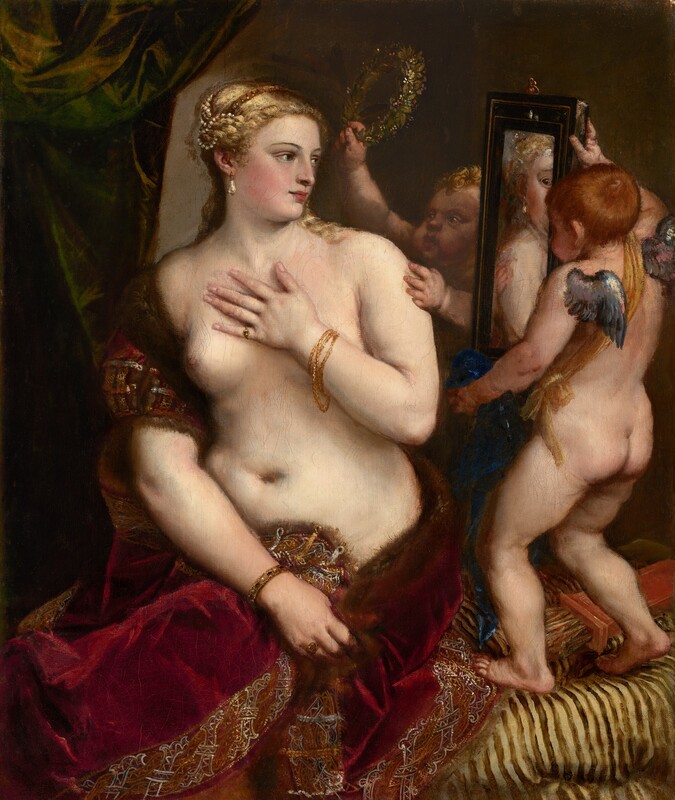
When Approval Becomes Part of Identity
Your awareness of others can make you sensitive to how you are received. A warm response may encourage confidence, while an indifferent or critical one can feel surprisingly personal. You may notice subtle changes in another person’s expression and begin adjusting yourself before you have considered whether any adjustment is needed.
If this becomes habitual, the question “What do I want?” may be replaced by “What would make me more likable here?” You might soften a disagreement, conceal irritation, or adopt a preference that keeps an interaction comfortable. The immediate result may be pleasant, but repeated self-adjustment can make your own desires less clear.
At times, appearance, flirtation, or being pursued may become ways to restore confidence. Attention can provide reassurance that you remain attractive or important. Yet reassurance that depends on another person’s response rarely stays settled for long, so the need to obtain it may return.
You may also hesitate to state a need directly, hoping that your warmth will encourage someone to notice it. When they do not, disappointment can build around an expectation they never understood. Beneath this pattern may be a fear that asking openly will make you seem demanding or less appealing.
Giving Warmth a Stronger Foundation
Venus in the first house develops through learning that an honest preference does not make you less worthy of affection. Saying no, showing uncertainty, or allowing a disagreement gives others a fuller picture of who you are. It also creates the possibility of being appreciated for qualities that are genuinely yours.
A preference for comfort can sometimes make effort or confrontation less attractive, particularly if charm has often brought support. Developing skills, following through on decisions, and taking responsibility helps confidence become less dependent on the ease of a particular interaction.
You do not need to give up sensitivity to other people. That sensitivity becomes more useful when it is balanced by attention to yourself. As your sense of worth becomes steadier, kindness can remain spontaneous, personal style can become more expressive, and relationships can include differences without making your identity feel threatened.
Venus in the Second House: Developing a Personal Sense of Value
Pleasure That Can Be Experienced
The second house concerns money, possessions, personal resources, and the ways you establish a sense of value. With Venus here, pleasure often has a physical quality. A well-made garment, a comfortable chair, an enjoyable meal, or a meaningful object can contribute to a feeling that life is being lived well.
You may pay attention to qualities that others overlook: the weight of a material, the texture of fabric, the proportions of an object, or how something changes the atmosphere of a room. This sensitivity does not necessarily involve expensive taste. Something simple may be deeply satisfying when it meets your own standards of comfort, usefulness, and beauty.
Money can matter because it provides choices. It allows you to create surroundings that support your preferences, enjoy experiences you value, and care for what you own. You may feel more connected to your life when your resources allow it to reflect your taste.
At its most developed, this placement can bring an ability to recognize and preserve value. You may appreciate craftsmanship, look after possessions carefully, or distinguish lasting quality from something that is merely fashionable.
Turning Taste into a Resource
Aesthetic judgment, interpersonal warmth, and an understanding of what people enjoy can become practical abilities. These qualities may support work involving design, beauty, products, hospitality, branding, or customer experience. You may recognize what makes an object desirable or why a particular presentation feels reassuring.
However, these inclinations become useful resources through development. Taste benefits from experience; creativity benefits from technique; interpersonal sensitivity benefits from clear communication and reliable work. Venus here points toward qualities worth cultivating rather than a promise of effortless financial security.
When Having Becomes a Measure of Worth
Difficulties can arise when possessions take on the task of proving that you are successful, lovable, or secure. A purchase may provide a brief lift, but once it becomes familiar, you may begin looking for the next source of reassurance. The object itself has not failed; it may simply have been asked to meet an emotional need beyond what it can provide.
You might also compare your income or lifestyle with others and use the result to judge your progress. This can make genuine enjoyment harder to access. Something that once delighted you may lose its appeal because someone else owns more or appears to live better.
The same pattern can enter relationships. Gifts, material support, and practical care may be sincere expressions of affection, yet they may also carry an unspoken expectation that the other person will remain loyal or respond in a particular way. Recognizing that expectation allows you to consider whether giving is truly comfortable for you.
Creating a Life You Can Sustain
A more stable sense of value develops when you recognize yourself as someone who can cultivate, contribute, and create. Your resources include the abilities you develop, the choices you make, and the care you bring to what matters.
This can involve practical steps: spending in ways that reflect your priorities, practicing a talent consistently, or building reliable support for the lifestyle you enjoy. Such efforts make pleasure easier to sustain.
You can continue to love beautiful things without making them responsible for your whole identity. When possessions change, income fluctuates, or circumstances require adjustment, your ability to appreciate and create value remains part of you.
Venus in the Third House: Making Conversation a Place of Connection
An Ear for Language and Atmosphere
The third house concerns everyday thought, communication, learning, and your relationship with the immediate environment. Venus here often enjoys the exchange of ideas as a form of closeness. A thoughtful conversation, a shared observation, or a well-timed expression of appreciation can make another person feel more familiar.
You may notice how language affects an interaction. The choice of a word, the pace of an explanation, or a change in tone can determine whether someone feels welcomed or dismissed. This awareness can make you tactful and approachable, especially when discussing something another person finds difficult.
You may also enjoy language for its expressive qualities. Rhythm, imagery, humor, storytelling, or the sound of a voice can hold your attention. Learning may become more engaging when the material is presented with imagination or connected to everyday experience.
These preferences can support writing, languages, music, teaching, editing, or other forms of expression. An encouraging learning environment may help you become more willing to ask questions and share ideas, while a harsh atmosphere may make it harder to remain open.
Helping Ideas Become Accessible
One possible strength is an ability to notice where communication becomes difficult and make it easier. You may find the example that clarifies an abstract idea or the phrasing that allows someone to hear a challenging point without immediately becoming defensive.
This can be especially useful when people approach a subject from different perspectives. You may understand enough of each person’s concerns to help them continue talking. Your contribution lies partly in the content of what you say and partly in creating conditions in which understanding becomes possible.
The Risk of Saying What Sounds Best
Sensitivity to a listener can also lead to over-adjustment. You might agree before deciding what you think, avoid a necessary correction, or make a refusal so indirect that the other person interprets it as willingness.
When this happens repeatedly, others may experience you as agreeable while knowing relatively little about your actual position. You may then feel unseen, even though you have helped maintain the pattern by making your views difficult to identify.
There can also be a tendency to favor an elegant explanation or appealing speaker. A beautifully expressed idea may feel convincing before its logic has been examined. Appreciating presentation is valuable, but independent judgment gives that appreciation more substance.
Letting Your Voice Remain Clear
The growth of Venus in the third house involves allowing kindness and clarity to work together. You can acknowledge someone’s feelings, remain respectful, and still disagree. A direct statement may create a moment of discomfort while preventing a much longer misunderstanding.
Relationships with siblings, classmates, or neighbors may provide opportunities to explore these issues. Familiarity does not remove the need for clear communication, especially where comparison, attention, or old expectations are involved.
Meanwhile, the immediate world can remain a source of pleasure. A walk, a conversation in a local shop, a short trip, or an exhibition may offer enough novelty to refresh your perspective. Your ability to notice the interest and beauty of ordinary surroundings helps daily life feel more inhabited.
Venus in the Fourth House: Creating a Home That Can Hold Real Feelings
The Emotional Meaning of Home
The fourth house concerns your roots, family experience, private life, and sense of belonging. Venus here often longs for a home where consideration and affection are woven into ordinary interactions. You may need somewhere you can soften your defenses and feel accepted without continual effort.
The physical environment can contribute strongly to this experience. Lighting, color, familiar objects, a garden, or food prepared with care may help a space feel personally meaningful. Decorating or arranging a room can become a way of giving your inner needs a visible shape.
You may express love through hospitality and domestic care. Remembering what someone enjoys, making a guest comfortable, or preserving a family object can communicate affection without requiring a lengthy explanation. Small details may carry emotional significance precisely because they show that someone has been considered.
Sensitivity to the Family Atmosphere
You may be responsive to the mood of a household. Warm interactions can help you settle, while tension or emotional coldness may be difficult to ignore. This awareness can encourage care and diplomacy, but it can also draw you into managing feelings that are not yours to manage alone.
You might try to resolve every disagreement, suppress your own frustration, or anticipate what will keep each person content. If being agreeable was associated with approval in childhood, these responses may feel like necessary conditions for belonging.
Over time, however, a peaceful appearance can conceal exhaustion or resentment. You may begin to feel that everyone else has room for their emotions while yours must remain carefully controlled.
A secure home needs enough trust for disappointment and disagreement to be expressed. Discussing what hurts, explaining what you need, and allowing others to take responsibility for repair can make closeness more dependable. Harmony becomes something shared rather than something you continually provide.
Choosing What to Carry Forward
This placement may reflect affectionate family memories, but it can also describe a powerful wish to create the warmth that was missing. You may admire a relative’s taste or kindness while also recognizing that some family expectations no longer support you.
Family traditions, photographs, stories, and inherited possessions can provide continuity. They need not determine how you must live. Part of developing your own home involves deciding what to preserve, what to reinterpret, and what to leave behind.
Taurus and Libra at the Fourth-House Cusp
With Taurus on the fourth-house cusp or IC, familiar routines, a dependable environment, and bodily comfort may help you feel grounded. You may take time to adjust to changes in your living situation. The important distinction is between routines that support you and arrangements you maintain mainly because change feels unsettling.
With Libra here, the quality of family interaction may strongly affect your inner state. Fairness, respectful conversation, and balanced effort can be central needs. Growth includes stating those needs while recognizing that your stability cannot depend entirely on other people maintaining a pleasant mood.
Venus in the fourth house becomes more fulfilling when care for your home includes care for the person you are within it. Belonging can then include the freedom to have preferences, limits, and a life that develops beyond inherited expectations.
Venus in the Fifth House: Giving Creativity and Romance Room to Grow
Enjoyment as a Form of Self-Expression
The fifth house concerns creativity, romance, recreation, and children. Venus here often seeks experiences that make life feel expressive and alive. You may enjoy making something that reflects your taste or participating in an activity where pleasure and personal involvement meet.
Creative expression can take many forms. Art, writing, music, performance, clothing, or planning an enjoyable gathering can all provide a way to bring something of yourself into the world. Even when creativity is not your profession, having an outlet may be important to your sense of well-being.
You may care about how a work is presented and enjoy refining its appearance. This can support style and skill, but it can also create pressure when the desire to produce something pleasing becomes a requirement that every attempt succeed.
Allowing Expression Before Evaluation
If you are highly aware of an audience, you may begin editing an idea before it has had time to develop. You might delay starting because the result could be awkward, or return repeatedly to an approach that earns praise even when your interests have moved elsewhere.
Creative growth requires room for experiments that do not immediately impress anyone. A private sketch, an unfinished piece, or an unfamiliar technique can be valuable because it expands your range. Allowing these stages helps your style emerge through experience instead of being shaped entirely by approval.
Enjoyment also matters in its own right. A hobby does not have to become an achievement to deserve your time. Play can restore curiosity and make it easier to return to demanding parts of life with more energy.
Romance Beyond the Initial Spark
In love, you may appreciate flirtation, thoughtful dates, surprises, and the feeling of being chosen in a special way. You may be skilled at showing someone that you find them appealing, creating experiences that give affection a playful and memorable form.
The challenge is to remain interested in the actual person beyond the emotional excitement. If romance becomes a primary source of self-confidence, you may overlook incompatibility because being desired feels so reassuring.
A relationship’s quieter stages can then be difficult to interpret. Less novelty does not automatically mean less love. It may offer the opportunity to discover whether attraction can develop into a deeper appreciation of someone’s habits, vulnerabilities, and everyday character.
Children, Pride, and Individuality
With children, you may enjoy imagination, play, and artistic exploration. Support becomes most useful when it follows the child’s interests rather than a wish to realize your own unfinished ambitions.
Praise also has consequences. Repeatedly emphasizing beauty or exceptional talent can unintentionally teach a child that these qualities secure affection. Making room for ordinary effort, mistakes, and changing interests allows appreciation to feel less conditional.
Taurus and Libra at the Fifth-House Cusp
With Taurus here, creativity may favor sensory experience and tangible results, including music, food, gardening, or craft. Patience can support skill, while flexibility helps you avoid becoming overly attached to a particular outcome.
With Libra here, shared pleasure, artistic exchange, and collaboration may be especially appealing. The task is to recognize your own creative preferences even when an audience or partner favors something different.
Venus in the Sixth House: Turning Consideration into Sustainable Daily Care
Finding Beauty in How Things Work
The sixth house concerns daily responsibilities, work, skill development, and the habits through which you organize your life. Venus here often appreciates things done thoughtfully. A useful arrangement, an orderly space, or a task completed with care may provide genuine satisfaction.
You may want an outcome to be both functional and pleasant to encounter. A process can be clearer, a workspace more comfortable, or a service more considerate. Your attention to these details may improve experiences that others have come to accept as merely routine.
When you enjoy an activity, developing competence can become rewarding. Practice allows your taste to become more precise and your standards more informed. Aesthetic sensitivity becomes especially useful when joined to an understanding of materials, methods, and the needs of the person using the result.
The Wish to Be Helpful
At work, you may value respectful cooperation and be willing to make small adjustments that help a team function. You may notice overlooked needs or find a tactful way to ease a difficult interaction.
However, maintaining goodwill can become costly if you find it difficult to refuse. You might absorb extra tasks, correct other people’s unfinished work, or avoid discussing a workload that is no longer reasonable. The arrangement may appear cooperative because your dissatisfaction remains invisible.
The same tendency can shape intimate relationships. Practical help may be a natural expression of affection: remembering a preference, handling an errand, or making someone’s day easier. Yet if usefulness becomes your main source of relational security, you may continue giving long after it feels comfortable.
You deserve consideration even when you are not solving a problem for someone. Recognizing this makes it easier to ask for help, identify limits, and allow others to participate in caring for you.
Standards That Support Life
A desire for quality can also turn into rigidity. You may become upset when a task is completed differently from how you would do it, even if the result is adequate. Care can become correction when personal preferences are treated as universal requirements.
It helps to ask which details genuinely affect the outcome and which simply reflect your style. This distinction protects both standards and relationships. It also allows daily life to remain workable when time, energy, or circumstances are imperfect.
Personal routines can benefit from the same approach. A pleasant, manageable habit is often easier to continue than an ideal arrangement that requires constant effort. Making room for comfort and rest can support consistency.
Taurus and Libra at the Sixth-House Cusp
With Taurus here, stable rhythms, practical results, and gradual skill-building may suit you. The challenge is to update routines when they no longer serve their purpose, even if they remain familiar.
With Libra here, fairness in the division of work may be especially important. You may also care about the atmosphere and appearance of your workplace. Discussing imbalances early allows cooperation to remain voluntary rather than becoming a source of silent resentment.
Venus in the sixth house is most satisfying when consideration becomes sustainable. Your ability to improve daily life can then benefit others without requiring your own needs to disappear.
Venus in the Seventh House: Learning to Meet Another Person Fully
The Importance of Partnership
The seventh house concerns committed relationships, close cooperation, and the experience of sharing life with another person. Venus here often values mutual appreciation and the feeling that choices can be made together. A relationship may become an important setting for pleasure, self-discovery, and personal development.
You may be drawn to warmth, tact, taste, or a willingness to understand another perspective. The quality of interaction matters: how someone listens, disagrees, responds to a need, or makes room for your preferences.
You may also be attentive to what helps a partnership feel enjoyable. Shared activities, thoughtful gestures, and an interest in one another’s experience can keep affection active. Your willingness to consider both sides may support negotiation and repair.

When the Relationship Defines Your Worth
A partner’s appreciation can reveal qualities you have not fully recognized in yourself. Yet if their response becomes the main source of confidence, changes in the relationship may unsettle your entire self-image.
A distracted period, a disagreement, or a request for space can feel like evidence that you are no longer lovable. You may respond by becoming more accommodating or seeking reassurance, without first asking what the situation actually means.
Idealization can intensify this pattern. A partner may come to represent beauty, love, or the life you wish to have. When they show ordinary limitations, you may feel that something essential has been lost.
Making Room for a Real Person
A durable relationship needs an appreciation of who the other person is, including what they cannot be for you. This does not mean accepting disrespect. It means distinguishing between necessary relational standards and the hope that a partner will remain an ideal figure.
You may need to ask whether a disappointment concerns a genuine breach of trust or simply a difference in temperament. One requires accountability; the other may require adjustment, discussion, or a decision about compatibility.
Your own needs also need to be visible. Agreeing too quickly can create a pleasant surface while preventing the other person from understanding you. Clear requests offer a more reliable foundation for closeness than hints or unspoken expectations.
The Value of an Independent Center
Time outside partnership can help you identify your preferences and direction. What do you choose when another person’s wishes are not involved? What remains meaningful when no one is immediately available to affirm it?
Developing these answers can make commitment more deliberate. You may become less likely to enter a relationship simply to avoid being alone or remain in one because leaving feels like a judgment on your worth.
In professional partnerships, similar principles apply. Goodwill and sensitivity to a client or collaborator are valuable, while clear responsibilities make the relationship more dependable.
Taurus and Libra at the Seventh-House Cusp
With Taurus here, reliability, physical closeness, and a stable shared life may be important. Familiarity can be reassuring, but it should not become the only reason to preserve an unsuitable arrangement.
With Libra here, the relationship between personal initiative and cooperation becomes prominent, usually alongside an Aries Ascendant. Growth involves considering another person seriously while retaining responsibility for your own choices and contribution to the partnership.
Venus in the Eighth House: Deepening Connection Without Giving Up Choice
The Desire to Be Known Beneath the Surface
The eighth house concerns vulnerability, shared resources, trust, and the changes that accompany deep involvement. Venus here may seek a connection in which private feelings can be acknowledged without making affection disappear.
You may be drawn to what a person does not reveal immediately: complicated experiences, quiet fears, or desires that sit beneath their public presentation. Understanding these parts of someone can feel more meaningful than maintaining an entirely comfortable surface.
This sensitivity can support patient listening and emotional presence. You may be able to receive difficult disclosures without immediately retreating or trying to make them more acceptable. In a trusting relationship, that capacity can allow another person to feel less alone.

The Responsibility of Intimacy
Knowing someone deeply also creates responsibilities. Access to their fears or private history does not give you the right to test them, press for more disclosure, or use what you know to influence their choices.
Physical intimacy may carry strong emotional meaning, but it does not remove the need for explicit communication. Both people need room to express preferences, hesitation, and limits. Neither emotional openness nor physical closeness has to function as proof of commitment.
The depth of a bond is strengthened when both people remain able to choose their participation freely. Respecting that freedom may initially feel less reassuring than securing a promise, yet it gives trust a more honest basis.
Fear, Investment, and Reassurance
When the possibility of loss feels threatening, you may pay close attention to whether the other person is investing as much as you are. You might seek repeated confirmation, become jealous of competing attachments, or give beyond your capacity in the hope that your commitment will be returned.
These efforts can create a painful cycle. Greater investment may increase the fear of losing the relationship, which leads to further attempts to secure it. Meanwhile, the other person may experience pressure rather than the closeness you intended.
Naming the fear directly can be more revealing. It allows the relationship to address the insecurity rather than becoming organized around repeated tests.
Shared Resources and Personal Power
Money can bring these dynamics into concrete form. Financial support, shared assets, debts, or business interests may carry assumptions about authority and obligation. A person receiving support may feel less able to disagree; a person contributing more may expect additional influence.
Clear arrangements help both people understand what is being offered and what is expected. Affection does not make these conversations unnecessary. It makes clarity more valuable because the consequences affect both practical security and emotional trust.
Taurus and Libra at the Eighth-House Cusp
With Taurus here, dependable arrangements and continuity may help you feel safe enough to open up. Growth includes recognizing where sensible protection becomes an attempt to eliminate all uncertainty.
With Libra here, fairness and reciprocity may be central concerns. The challenge is to discuss desire, money, and power directly, even when these subjects disturb a polite atmosphere.
Venus in the eighth house can develop a substantial capacity for intimacy when depth is understood through honesty, consistency, and respect. A relationship does not need continual distress to demonstrate its significance.
Venus in the Ninth House: Allowing Appreciation to Become Understanding
Finding Pleasure in a Wider World
The ninth house concerns higher learning, philosophy, belief, travel, and encounters with unfamiliar cultures. Venus here often enjoys experiences that expand your understanding of life. A book, a work of art, a conversation, or a journey may introduce a perspective that feels both beautiful and meaningful.
You may be drawn to ideas that emphasize dignity, compassion, fairness, or the possibility of living with greater purpose. A religious tradition, spiritual practice, artistic movement, or personal philosophy may provide a language for values you already feel strongly.
Learning can become pleasurable when it connects facts with larger questions. You may enjoy exploring why people live as they do, what they consider worthwhile, and how different societies express beauty or meaning.

The Attraction of an Ideal
An inspiring idea can also become a refuge from complexity. You may prefer interpretations that feel generous or reassuring and struggle with evidence that complicates them. A teacher, tradition, or culture may gradually take on the role of something that can provide what ordinary life seems to lack.
When reality fails to match that image, disappointment can be intense. Yet the difficulty may come partly from having asked a person or worldview to remain free of contradiction.
Appreciation becomes deeper when it can include questions, limitations, and revision. You can be changed by an idea without treating it as a final answer. An admired teacher’s strengths do not require you to overlook their limitations.
Moving Beyond the Romance of Elsewhere
Travel and cross-cultural contact may be especially enjoyable. Architecture, food, language, rituals, and everyday customs can awaken curiosity and enrich your sense of what a good life might look like.
Lasting understanding involves more than collecting appealing impressions. A place also contains history, inequality, routine, and practical pressures. Learning about these does not diminish its value; it allows your interest to become more respectful and substantial.
The same applies when you imagine that another country or way of life would solve your dissatisfaction. A different environment may offer real opportunities, but it will also have its own demands. Curiosity becomes more useful when it remains connected to reality.
Shared Beliefs and Romantic Attraction
You may be attracted to people whose background, knowledge, or outlook expands your world. Shared study or exploration can create a lively bond. However, agreement about larger questions does not automatically establish compatibility in daily life.
Commitment also involves habits, responsibilities, and the ability to discuss disagreement without assuming one person has a superior understanding. A relationship can remain intellectually stimulating while making room for distinct beliefs.
Taurus and Libra at the Ninth-House Cusp
With Taurus here, beliefs may develop through direct experience and a concern for practical value. You may want a philosophy to improve how life is actually lived. Openness to unfamiliar ideas helps ensure that experience continues to broaden rather than merely confirm what is already comfortable.
With Libra here, ethics, justice, and different perspectives may be particularly engaging. Growth involves forming a considered position after listening, including accepting that some disagreements cannot be resolved through compromise alone.
Venus in the Tenth House: Developing a Reputation That Reflects Your Values
How You Want to Be Recognized
The tenth house concerns career, public standing, long-term achievement, and responsibility. Venus here often wants professional life to express qualities you respect. You may care about producing work that has value while also being known for taste, consideration, and the ability to work well with others.
Presentation can be part of this. You may notice how clothing, language, design, or a polished result affects perception. More broadly, you may understand that professionalism is communicated through the experience people have of dealing with you.
This awareness can become useful across many fields. Aesthetic judgment can improve a product; interpersonal sensitivity can improve a service; an ability to understand preferences can strengthen communication. Venusian strengths become professionally meaningful when they produce reliable results.
The Tension Between Approval and Responsibility
A cooperative environment may help you remain engaged. You may work best when people treat one another respectfully and when the purpose of the work feels worthwhile.
However, holding responsibility sometimes requires making a decision that disappoints someone. You may have to identify a problem, maintain a standard, or reject an appealing option because it does not serve the task.
If preserving goodwill becomes the main priority, you may postpone these decisions or make commitments that are difficult to honor. This can undermine the credibility you hoped to maintain.
Professional trust grows when consideration is accompanied by sound judgment and follow-through. You can acknowledge someone’s feelings while still explaining a limit. Fairness does not require every person to be satisfied with every outcome.
Inherited Images of Success
A parent or authority figure may have associated success with being polished, admired, or socially skilled. You may have learned valuable ways of navigating public life, while also absorbing the idea that difficulties should remain hidden.
This can make setbacks feel personally exposing. Criticism of a particular result may be experienced as a judgment on your whole character. You may work hard to maintain an image even when the role behind it no longer suits you.
Developing a more personal definition of success can help. What kind of work do you want to become capable of doing well? Which standards do you believe in? What are you willing to sustain over time, even when recognition is inconsistent?
Building Substance Beneath the Image
Professional relationships can create opportunities, but those relationships become steadier when supported by contribution. Clear expectations, reliable work, and appropriate boundaries help goodwill remain constructive.
You may gradually become more comfortable being seen as a capable person who can learn, revise, and occasionally make mistakes. This allows your public role to reflect actual development rather than a demand for constant perfection.
Taurus and Libra at the Midheaven
With Taurus on the Midheaven, patient accumulation, quality, and lasting value may guide your ambitions. The challenge is to recognize when loyalty to an established position prevents a worthwhile adjustment.
With Libra here, cooperation, fairness, and balanced judgment may shape your reputation. Your ability to consider different positions becomes more effective when it leads to a clear decision and a willingness to take responsibility for it.
Venus in the Eleventh House: Belonging Without Becoming Someone Else
Friendship as a Source of Possibility
The eleventh house concerns friends, communities, social networks, and hopes for the future. Venus here often enjoys the experience of sharing an interest with people who respond to it. A personal enthusiasm can feel more alive when it becomes part of a conversation, a gathering, or a collective project.
Friendships may form around common taste, values, or creative interests. You may enjoy introducing people, sharing discoveries, or helping someone’s work receive attention. Social connection can become a way of expanding what seems possible in your own life.
Within a group, you may notice who feels excluded, where tension is developing, or how different people could work together. Your contribution may involve aesthetic choices, tactful communication, or making cooperation feel more accessible
The Need to Be Accepted
The importance of connection can make group approval emotionally significant. You might begin measuring yourself through the status of a circle, the attention you receive, or whether particular people consider you one of their own.
This can lead to subtle self-editing. You may avoid voicing a different view, adopt a taste you do not actually share, or remain involved in activities that no longer interest you. Belonging is preserved, but the experience becomes less satisfying because your real preferences are less present.
A supportive community allows you to contribute as a distinct person. Differences in opinion, availability, or direction do not automatically mean that a friendship has failed. Sometimes they create an opportunity to understand the relationship more accurately.
Reciprocity and Unspoken Expectations
You may have a generous vision of friendship: people encouraging one another, sharing opportunities, and acting with consideration. When others do not respond in the same way, disappointment can be difficult to express.
If you continue giving without discussing what you need, an internal accounting may develop. You may remember every effort you have made and wonder why it has not produced the closeness you expected.
Reciprocity is a reasonable need, but it becomes easier to assess when expectations are visible. Different friends may offer different forms of support. Some relationships can deepen through conversation, while others may need a more limited place in your life.
Connection with Purpose
Networks can help advance goals, but friendship becomes thin when people are mainly evaluated by what they can provide. Equally, you do not have to offer unlimited time or access to prove that your interest is sincere.
Choosing where to invest allows meaningful relationships and shared goals to receive sustained attention. A collective ideal needs practical work, clear responsibilities, and patience with disagreement if it is to become more than an appealing social experience.
Taurus and Libra at the Eleventh-House Cusp
With Taurus here, long-standing friendships and practical loyalty may be particularly important. Allowing people’s circumstances to change helps a stable bond remain flexible rather than restrictive.
With Libra here, shared interests, fairness, and social exchange may foster connection. Growth includes expressing your own position and accepting that genuine friendship can survive a less than perfectly harmonious conversation.
Venus in the Twelfth House: Bringing Private Feelings into a Livable Form
An Inner Sensitivity to Love and Beauty
The twelfth house concerns private emotional life, solitude, unconscious patterns, and experiences of connection that can be difficult to define. Venus here may respond deeply to music, imagery, atmosphere, or a moment of wordless understanding.
You may sense the emotional quality of something before you can explain why it matters. A piece of music may seem to express an experience you have never articulated. A quiet setting may allow a feeling to surface that remained unnoticed in a busier environment.
Solitude can help you recognize these responses. Writing, painting, movement, or time in nature may give inner experience a form without requiring an immediate explanation. Such activities can be valuable because they allow feeling to develop into something you can understand.

The Longing to Be Understood Without Explaining
In love, you may hope for a connection that feels intuitive and unusually accepting. You may want someone to recognize what lies beneath your words or to understand parts of you that are difficult to disclose.
This longing can support tenderness, but it can also leave needs unstated. If you believe that real understanding should happen naturally, having to explain yourself may feel disappointing. The other person may then be expected to respond to feelings they cannot clearly identify.
Deep understanding still develops through communication. Putting an experience into words does not make it less meaningful. It gives another person a way to meet you more accurately.
Compassion, Potential, and Availability
You may be sensitive to another person’s hidden pain or unrealized possibilities. Seeing these qualities can make you patient with circumstances that others would find difficult. You may continue investing because you can imagine who the person might become in a safer or more loving situation.
The problem arises when that imagined possibility carries more weight than their actual behavior. You may understand why someone cannot respond while overlooking how long your own needs have remained unanswered.
A person’s suffering can deserve compassion without making a relationship workable. Their capacity for closeness must be understood through what they consistently offer, not only through what you believe exists beneath the surface.
Privacy, Distance, and Emotional Safety
A preference for privacy may simply mean that you experience affection quietly. You may prefer to support someone behind the scenes or keep early feelings to yourself.
At other times, attachment to an unavailable person may provide a form of emotional safety. Longing can remain rich and meaningful without encountering the full demands of a mutual relationship: direct requests, boundaries, negotiation, and the possibility of a clear refusal.
Recognizing this pattern can create more choice. You do not have to dismiss what you feel, but you can consider whether the relationship allows you to participate fully in your own life.
Giving Without Disappearing
Caring for others may become a way of confirming that you matter. If your place in a relationship depends on helping, waiting, or understanding, setting a limit can bring guilt.
It can help to ask whether the support you offer is manageable and freely chosen. Would you still feel comfortable with the decision if it did not change the other person or deepen the relationship? If the answer is no, an expectation may need to be acknowledged before you continue.
Rest, protection of your time, and receiving care are also part of a sustainable emotional life. Creative or supportive work does not require suffering in order to have depth.
Taurus and Libra at the Twelfth-House Cusp
With Taurus here, needs for comfort, security, and physical steadiness may operate outside clear awareness. Attending to ordinary routines and material support can help you recognize what genuinely grounds you.
With Libra here, a sensitivity to others’ discomfort may be more immediate than awareness of your own hurt. Time alone and direct expression can help you identify where accommodation has become excessive.
Venus in the twelfth house can find greater freedom when private feeling has clear, practical outlets. Love can remain sensitive and generous while including your right to choose, ask, rest, and receive.
Learning to Value What You Bring to Life
Venus’s house reveals places where life may feel inviting, pleasurable, and emotionally meaningful. It can also show where appreciation becomes entangled with a need to prove that we deserve affection or recognition. Understanding these patterns allows us to make choices with greater awareness of what we are actually seeking.
The aim is not to eliminate the wish to be loved, admired, comfortable, or understood. It is to develop ways of meeting those wishes that can be sustained. That may involve stating a need, practicing a talent, discussing an unfair arrangement, or recognizing that a source of pleasure has become a source of pressure.
A clearer relationship with our own values allows us to participate more freely in what we enjoy. We can appreciate beauty without relying on it to establish status, care for others without continually exceeding our limits, and build relationships in which our real preferences have a place.
Venus then becomes visible in the life we actively cultivate: the attention we give to our surroundings, the quality of our work, the affection we express, and the consideration we allow ourselves to receive.
Comment