Mars Through the Twelve Houses: How Do You Pursue the Life You Want?
Oct 06,2026 | My Energem
From Understanding Your Desires to Learning How to Use Your Strength
We all have something we want to pursue: an opportunity, a relationship, a way of life, or the freedom to make our own choices. But when we meet resistance, we respond differently. Some act immediately. Others step back, while some only realize how much they have been accepting against their wishes after resentment has built up.
In astrology, Mars represents desire, initiative, competitiveness, and the instinct to defend our boundaries. It drives us toward what we want and helps us say no to what we are unwilling to accept. Like a seed pushing through the soil, Mars brings our intentions into contact with reality, asking us to try, face resistance, and take responsibility for the consequences of our actions.
Anger is also part of Mars. Sometimes it signals an overlooked need or a crossed boundary. At other times, it arises from disappointment or the fear of losing control. Understanding what anger is telling us can deepen our self-awareness, but deciding how to express it and what to do next still requires care and judgment.
The house occupied by Mars points to the areas of life where this energy is most active. We may show particular initiative there, or suppress it out of fear of conflict, failure, or rejection. The harder it is to acknowledge “I want this,” the more easily obstacles can leave us feeling powerless, resentful, or ready to lash out.
Understanding Mars means learning to express our desires clearly, use our strength purposefully, and take responsibility for our choices. The following interpretations offer starting points for reflection. Mars’s sign, its aspects, and the birth chart as a whole will further shape how these themes unfold.
Mars in the First House: Building a Sense of Self Through Action
The first house relates to how we enter new situations, meet the world, and express who we are. With Mars here, taking action often becomes an important way of discovering oneself. People with this placement need opportunities to try things firsthand, make decisions, and face challenges that affirm their ability to influence their lives. An environment that leaves everything in someone else’s hands can feel restrictive.
This energy can appear as honesty, decisiveness, and a strong presence. They may be open about their likes and dislikes and prefer to address problems promptly. When others hesitate, they are often willing to take the first step, recognizing that certain opportunities require them to act on their own behalf. This initiative gives them the courage to begin and helps them gain experience quickly.
However, Mars in the first house does not necessarily make someone outgoing or forceful. Some people with this placement appear quiet but are particularly sensitive to being directed, rushed, or interfered with. They may not object immediately, yet become unexpectedly firm when their independence feels threatened. What matters is knowing that their actions come from their own intentions.
Difficulties often arise when they encounter resistance. Advice, a request to wait, or a delayed response may feel like a challenge to their competence. If they react before understanding what is happening, they can become defensive too quickly. A situation that could have been discussed may turn into a struggle to prove their ability or avoid being overpowered.
When this energy has been suppressed for a long time, the opposite pattern may emerge. They may struggle to ask for what they want, repeatedly seek permission to make decisions, and then feel angry about giving way. Growth can begin with small, clear choices: expressing a preference, making a decision, and accepting responsibility for it before frustration becomes unbearable.
The task is to turn the impulse to react into the ability to act consciously. Exercise, practical activity, and challenging tasks can give their energy a constructive outlet. During conflict, a brief pause to consider their goal and the likely consequences can make their assertiveness steadier. Autonomy also means being able to decide what deserves a response and what does not need their energy.
Mars in the Second House: Creating Resources and Recognizing Your Worth
The second house concerns money, possessions, personal resources, and the way we develop a sense of self-worth. Mars here often brings a strong drive to secure resources and improve living conditions. People with this placement want to meet their needs through their own abilities. Financial independence may be especially important because it gives them greater freedom to choose.
Clear material goals can motivate them to act. They may be willing to develop skills, seek opportunities, negotiate pay, or turn an interest into a source of income. Being able to say “I earned this myself” means more than simply owning something. It affirms their ability to take action, create value, and protect the life they are building.
Yet there may be little space between wanting something and acting on that desire. They may feel compelled to buy something immediately, rush into an opportunity, or expect their efforts to produce quick results. When progress is slow, impatience can lead them to commit more time, money, or energy in an attempt to force a breakthrough, without pausing to assess the cost.
A deeper difficulty arises when material outcomes become closely tied to personal worth. A drop in income, work that is undervalued, or someone using their belongings without permission can feel deeply offensive. These experiences touch more than practical interests. They raise the question of whether their abilities and efforts are respected. In response, they may become overly protective or place increasing demands on themselves through comparison with others.
Some people with this placement find it difficult to advocate for themselves. They may worry that discussing money makes them seem petty, or that asking for fair pay will damage a relationship. They can take on considerable responsibilities while hoping others will recognize their value without being asked. When the return falls short, resentment grows. Clear agreements about fees, responsibilities, and the use of personal belongings can reduce this unspoken tension.
Mars in the second house calls for both the ability to create resources and the patience to build them over time. Material goals can matter deeply without every gain or loss becoming a verdict on personal worth. Their value also lies in their skills, judgment, courage, and willingness to keep learning. As this understanding becomes more secure, their efforts can become more purposeful and less driven by anxiety or comparison.

Mars in the Third House: Speaking with Strength and Making Room for Dialogue
The third house relates to thinking, learning, everyday communication, and our interactions with our immediate surroundings. With Mars here, expressing opinions, asking questions, and sharing knowledge often become ways of asserting a sense of self. People with this placement want their voices to be heard and their words to make a tangible difference.
Their minds may be highly active. When a subject interests them, they want to investigate, test ideas, or find someone to discuss it with. They may quickly spot contradictions in vague explanations or ask the crucial question when a conversation is going nowhere. Supported by understanding and reliable information, this mental sharpness can bring a discussion into focus.
But when opinions become too closely tied to personal dignity, communication can turn competitive. A different perspective may prompt an immediate rebuttal, with attention shifting toward finding flaws before the other person has finished speaking. Even when they recognize a valid point, admitting it can be difficult if changing their mind feels like surrendering their position.
Others may worry that speaking directly will seem rude, relying instead on hints, silence, or complaints. The conversation may be over, but the argument continues internally. They replay what they should have said or imagine how they will prove their point next time. An unspoken position can consume considerable energy.
Siblings, classmates, neighbors, or early learning environments may provide their first experiences of speaking up and handling competition. They may have needed to interrupt to receive attention, or gained confidence through debate, learning, and solving problems together. It helps to consider whether the communication habits formed then still serve their relationships now.
Growth involves making language a clear expression of what they mean, feel, and need. Stating concerns promptly, checking what someone means before responding, and allowing time to verify information can reduce unnecessary conflict. Writing can also help them organize their emotions, turning vague resentment into something that can be discussed. Their voice can carry weight without becoming aggressive.
Mars in the Fourth House: Creating a Home Where Independence Can Belong
The fourth house relates to family, roots, private life, and inner security. With Mars here, personal desires often become especially apparent in close relationships. People with this placement need space of their own at home and the assurance that their choices deserve basic respect, even when those choices differ from their family’s expectations.
This drive may not be obvious in public. Some appear restrained and polite outside the home, revealing stronger opinions once they return to familiar surroundings. Living arrangements, privacy, household responsibilities, and who makes decisions may matter deeply. Home holds both the need to relax and the question of whether they can live on their own terms.
Constructively, this placement can bring a willingness to stand up for loved ones and improve living conditions. Repairs, organizing a space, gardening, moving, or addressing longstanding family issues can all provide outlets for their initiative. During difficult times, they may show resilience and take an active role in building a more stable life.
The difficulty is that closeness can make accumulated emotions harder to contain. Frustrations held back elsewhere may erupt over something small at home. An argument about chores, noise, or where something belongs may carry a deeper concern: “My needs are not being considered” or “I have no say here.” Without understanding where the anger comes from, they may place pressure on family members that is only partly related to them.
Early family experiences may also shape their understanding of strength. They may have learned courage and perseverance, or developed habits of resistance, control, or endurance to protect themselves. In adulthood, distinguishing present relationships from past circumstances becomes important. Every disagreement need not become a repetition of an earlier struggle.
The task is to develop a sense of belonging that leaves room for independence. Clear boundaries at home, shared responsibilities, and protected private time can help channel defensive energy into constructive action. Aries on the IC, the point associated with home and roots, may also emphasize developing autonomy within family life. However, this must be understood alongside Mars’s placement and is not equivalent to having Mars in the fourth house.
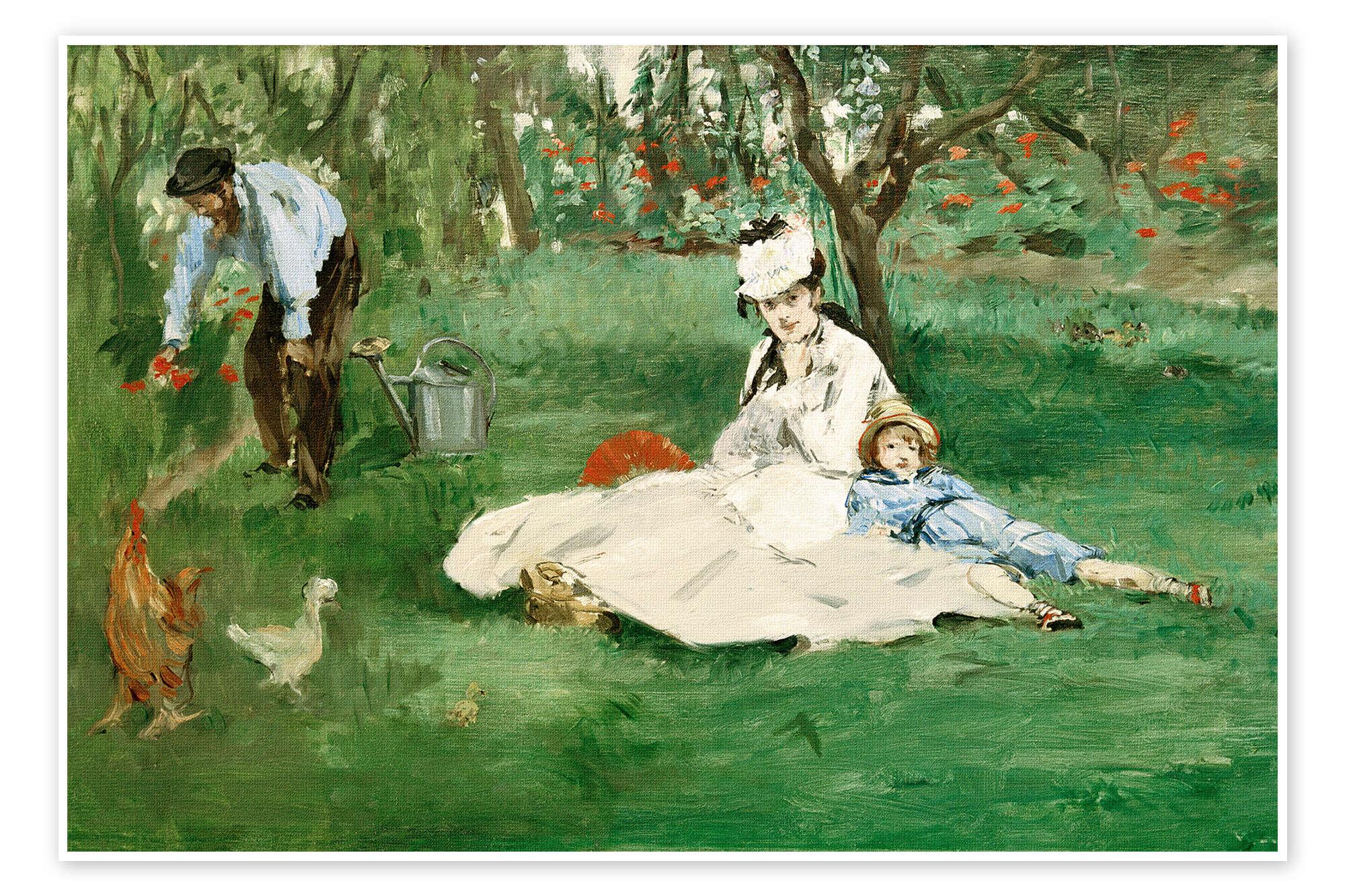
Mars in the Fifth House: Following Your Passion and Letting Joy Be Enough
The fifth house relates to creativity, play, romance, and personal expression. With Mars here, people often feel most alive when doing something that excites them. They want to participate fully, investing energy in creative work, performance, sport, or romance and leaving a mark that feels distinctly their own.
This placement can bring the courage to try. Watching from the sidelines may not satisfy them; they want to create, perform, or take on a challenge themselves. Competition can sharpen their focus and turn an imagined possibility into action. Through wholehearted involvement, they discover more about their preferences, abilities, and individuality.
Yet self-expression can also become a test of personal worth. Whether their work receives praise, whether they win, or whether they attract the most attention may begin to determine how much they enjoy participating. When a result disappoints them, they may rush to prove themselves, dismiss what they have achieved, or withdraw to avoid another setback.
In romance, they may enjoy clear attraction and enthusiastic interaction. They can be willing to pursue someone and hope for an equally engaged response. However, the excitement of pursuit and the ability to sustain a relationship require different skills. As everyday life replaces the initial intensity, they need to create enjoyment together and understand each other’s pace, rather than depend entirely on renewed excitement.
If they become parents, they may encourage their children to be adventurous and independent, building connections through play and shared activities. However, their competitive instincts or unfulfilled ambitions should not automatically become their children’s responsibilities. A child who is cautious, quiet, or interested in entirely different things deserves equal support.
Mars in the fifth house needs room to explore without making every experience a test of worth. Creative work can still be developing, an interest can remain unproductive, and an expression of affection may not be returned. Learning to tolerate these uncertainties gives enthusiasm a better chance to endure, allowing creativity and affection to become experiences that enrich their lives.
Mars in the Sixth House: Developing Skills and Finding a Sustainable Rhythm
The sixth house concerns daily work, skill development, habits, and care of the body. With Mars here, energy often goes into practical tasks. Completing a job, solving a problem, or becoming more proficient at a technique can bring a tangible sense of satisfaction.
People with this placement may be quick to take action. When they notice a problem, they want to address it, often finding more effective methods through practice. Their concern for results can develop into professionalism. They want their work to stand up to scrutiny and their abilities to meet practical demands without constant assistance.
Difficulties often arise from an urgent need for efficiency and autonomy. When others hesitate, they may step in and take over. When a task proceeds differently from how they would handle it, they can become impatient. As a result, they take on more and more while resenting other people’s dependence. Without a change in responsibilities, this pattern can continue.
Cooperation requires distinguishing between the standard a result must meet and their preferred way of achieving it. A task may have several valid approaches, and others need opportunities to learn and take responsibility. Discussing workload, clarifying roles, and identifying the resources needed often supports efficiency more effectively than quietly accepting everything.
They may also connect being busy with being valuable, feeling entitled to rest only after sustained productivity. Physical fatigue can then become an obstacle to overcome, while exercise and daily routines turn into further obligations to fulfill. The useful focus here is how they manage their energy. This placement alone cannot indicate a specific illness.
Mars in the sixth house calls for turning bursts of effort into dependable, sustainable action. Rest, clear priorities, and reasonable boundaries are all part of being capable. Their value also lies in their experience, judgment, and approach to solving problems. They do not need to keep exhausting themselves to prove that they are useful.

Mars in the Seventh House: Expressing Your Desires and Respecting Another Person’s Choices
The seventh house relates to partners, collaboration, and one-to-one relationships. With Mars here, interactions with others often bring personal desires into focus. Attraction, disagreement, negotiation, and shared challenges can help people with this placement discover what they truly want and where they are unwilling to compromise.
They may admire people who are decisive, direct, and willing to act. Another person’s initiative can spark their interest and encourage them to take a step they might otherwise hesitate to make. Some actively pursue relationships, hoping to find a partner with whom they can build momentum and work toward a shared goal.
Yet the qualities that attract them can also become sources of friction. At first, they may enjoy the ease of letting someone else take the lead. Over time, they may feel that their wishes are being overlooked, and the decisiveness they once admired begins to seem overbearing. It becomes important to distinguish between decisions they willingly handed over, needs they never expressed, and boundaries that have actually been crossed.
Others may insist on leading, experiencing disagreement as a lack of respect. Differences over everyday arrangements can gradually become struggles over who has the final say. Sometimes criticism or contradiction becomes a way to release tension, with their own dissatisfaction emerging only after the other person becomes angry.
Reflecting on their role in an interaction can reveal opportunities for change, but it should never excuse another person’s controlling or harmful behavior. They need to recognize both their own relationship habits and the other person’s actual conduct. Clear communication, negotiation, and decisions about how to proceed all help protect their boundaries.
Mars in the seventh house needs to bring desires directly into relationships, so that arguments do not have to speak for unmet needs. Exercising, learning, or working on a project together can give their energy a shared direction. When both people can participate in decisions and say no, a relationship has more room for vitality and individuality.
Mars in the Eighth House: Facing Dependence, Desire, and the Fear of Losing Control
The eighth house concerns shared resources, deep intimacy, and the adjustments that come with loss and change. With Mars here, energy often goes toward areas that cannot be controlled by one person alone: shared interests, mutual trust, and the growing dependence that relationships can involve.
People with this placement may be willing to handle complex joint responsibilities, raise neglected questions, and explore the motives beneath surface appearances. In difficult situations, their focus can help them stay involved and bring important issues into the open.
The challenge is that deeper connection often brings greater uncertainty. Questions about who contributes more, who controls resources, or whether their trust will be betrayed can become consuming. They may want support while fearing the loss of independence it could involve. They may long for intimacy while worrying that revealing their needs will leave them unprotected.
Jealousy, possessiveness, or attempts to test another person can emerge from this tension. They may seek security by gathering more information, only to become increasingly unsettled by repeated checking. Suspicions need to be assessed against the facts; a strong feeling is not proof that someone is hiding something. Shared finances and responsibilities also need clear agreements, without turning practical arrangements into tests of emotional loyalty.
Physical intimacy may bring them closer to their desires and vulnerabilities, but it can also awaken defensiveness. They need space to discuss wishes and boundaries honestly, with closeness grounded in ongoing mutual consent and responsiveness. Their willingness to slow down, express uncertainty, or receive care can also reveal how they approach trust.
Mars in the eighth house calls for clear judgment within deep involvement and honest expression when vulnerability arises. When facing loss or irreversible change, they can gradually redirect their energy toward what remains within their influence: identifying needs, seeking support, redistributing responsibilities, and building new sources of stability.

Mars in the Ninth House: Living Your Beliefs and Allowing Experience to Change You
The ninth house relates to higher education, philosophy, faith, travel, and the search for meaning. With Mars here, people often need a direction that feels worth pursuing. An idea, an unanswered question, or an unfamiliar way of life can motivate them to move beyond what they already know.
They may have an active appetite for knowledge, a willingness to challenge familiar explanations, and a desire to form judgments through firsthand experience. Once a subject captures their interest, they can devote considerable energy to research, discussion, and practice. Teaching, writing, and public speaking may also become ways of sharing their enthusiasm.
However, beliefs can become closely tied to identity. When someone questions an idea, they may feel that their judgment and life choices are being dismissed. Discussion can become defensive, while the search for understanding gradually turns into a search for evidence that they are right.
A deeper task involves recognizing the relationship between principles and personal desires. They may appeal to a higher purpose to justify anger, forcefulness, or an unwillingness to compromise. Useful questions include whether an action truly serves their values and whether its effects are consistent with its intentions.
Travel and encounters with other cultures can broaden their perspective, provided they allow unfamiliar realities to retain their complexity. Questioning ideas also requires knowledge, evidence, and patience. Taking another perspective seriously helps them distinguish between disagreements about facts, differences in values, and experiences they have yet to understand.
The courage of Mars in the ninth house includes being able to say, “I do not know yet.” When an old belief becomes uncertain, they do not need to fill the gap immediately with another absolute answer. Staying curious while allowing their understanding to evolve can give their direction greater substance and help it withstand the challenges of lived experience.
Mars in the Tenth House: Building Achievement and Understanding Your Ambition
The tenth house concerns career, social roles, public image, and achievement. With Mars here, ambition is often pronounced. People with this placement want to establish themselves through action and be recognized as capable of making decisions and taking responsibility.
They may actively pursue opportunities, welcome challenging assignments, and want a meaningful say in both the direction of their work and how it is carried out. Launching projects, managing difficult situations, and leading teams can all engage their drive. Clear goals help them concentrate their energy and develop their abilities through practical experience.
But when recognition becomes the main foundation of self-worth, professional setbacks can provoke strong reactions. A rejected suggestion may feel like a dismissal of their competence, while someone else’s promotion may leave them feeling behind. In their urgency to prove themselves, they may become overly competitive or overlook the importance of cooperation and the long-term costs of their approach.
Their relationship with authority also deserves attention. They may strongly resent excessive interference and want to move beyond being told what to do. Yet when they become leaders themselves, they may repeat the behavior they once disliked, expecting immediate compliance. Developing leadership means learning to receive feedback, explain decisions, and give others room to contribute.
Early family expectations about success and independence may also shape their professional drive. Some pursue goals they deeply believe in; others are continually trying to prove that a particular person no longer has power over them. Recognizing the difference can help them choose a path that reflects their own wishes. Aries on the Midheaven may also emphasize initiative in a career, but it must be interpreted alongside Mars’s placement and is not equivalent to Mars in the tenth house.
Mars in the tenth house needs to translate ambition into responsibilities they are prepared to carry. Achievement takes time, cooperation, and continued development of their abilities. By choosing their direction consciously and accepting adjustments along the way, they can build a career that feels their own, with less dependence on external approval.

Mars in the Eleventh House: Contributing Your Initiative to a Shared Goal
The eleventh house relates to friends, groups, social networks, and visions of the future. With Mars here, shared goals often provide motivation to act. People with this placement may want to create change alongside others who share their ideals, discovering their influence through organizing, participating, and moving plans forward.
Within a group, they may be the first to suggest a plan, take on a task, or encourage everyone to move from discussion into action. Faced with unfairness, they may also be willing to advocate for a friend or a community. When others respond to their vision, their commitment can grow stronger.
Yet belonging and independence may pull them in different directions. They want to be part of a cohesive group without giving up their judgment. Early collaboration can feel exciting because of shared aims, but deeper involvement reveals differences in pace, methods, and priorities that can create friction.
They may believe in teamwork while struggling when things do not proceed their way. At times, they may make decisions for everyone or withdraw quickly when their suggestions are not adopted. Growth involves distinguishing between disagreements over important principles and differences in personal preference. A shared goal can accommodate more than one approach.
In friendship, their concern may come with a sense of urgency. Seeing a friend hesitate, they may want to make arrangements on that person’s behalf. Support begins with understanding what the other person wants. Collective action also requires independent judgment, checking information, and taking responsibility for their conduct. The fact that everyone else is doing something does not remove its consequences.
Mars in the eleventh house needs a way of cooperating that allows both initiative and negotiation. Turning a vision into specific tasks, with clear roles and resources, can keep enthusiasm focused. Mature group relationships allow people to work alongside one another while retaining their independence.
Mars in the Twelfth House: Acknowledging Hidden Desires and Giving Action a Clear Direction
The twelfth house relates to solitude, less conscious psychological processes, and efforts that extend beyond personal interests. With Mars here, the motives behind action may not be immediately apparent. People with this placement may feel dissatisfied without knowing what they want to change, or recognize a desire but repeatedly pull back when it is time to act.
Some find it difficult to advocate for themselves. They may feel that anger makes them unkind or that asserting their wishes is selfish. They suppress their needs and tell themselves that everything is fine, while resistance appears through procrastination, avoidance, or complaints. These responses can signal that a real desire has remained unacknowledged.
They may struggle to act on their own behalf yet respond quickly when someone else needs help. Service, caregiving, or a shared cause can make their courage more accessible. But if acting for others is the only acceptable reason to be firm, prolonged giving can leave them exhausted. They may also begin to expect compensation for sacrifices they never openly discussed.
This placement can also express itself as quiet, sustained initiative. An undisturbed environment may help them concentrate, while independent creative work, research, and preparation behind the scenes provide constructive outlets. Being comfortable working out of view does not mean they must conceal their achievements or give up fair recognition and compensation.
Solitude needs to remain connected to practical action. Stepping back briefly can help them understand their feelings, but waiting until they feel completely ready may keep life on hold. Writing down a vague desire, identifying the fears around it, and choosing one manageable step can gradually rebuild confidence in their ability to act. Dreams and free writing can support reflection, though their imagery should not be treated as evidence of external events.
Mars in the twelfth house begins with giving themselves permission to want, to feel anger, and to take their own needs seriously. As responsibilities and limits become clearer, they can care for others while also caring for themselves. Energy that once remained hidden can develop into quiet, deliberate, and sustained action.

Learning to Use Your Strength with Intention
Mars through the houses describes how we learn to take an active part in different areas of life. Some people need the courage to speak, others to ask for fair compensation or stand their ground in relationships. Others need to acknowledge desires they have kept hidden for years. Each path involves learning to express strength and respond when that strength meets a limit.
Understanding Mars can begin with a single reaction. Why am I angry? What am I protecting? What do I actually want to happen? As the answers become clearer, action can better serve the life we value, instead of repeating familiar patterns of retaliation, endurance, or withdrawal.
Sometimes courage means taking the first step. At other times, it means renegotiating, admitting a mistake, or ending an argument that has lost sight of its purpose. We can be firm and remain open to adjustment. We can pursue what matters while respecting other people’s wishes and the limits of reality.
Mature strength means knowing why we act and accepting responsibility for the effects of our actions. An honest statement, a clear decision, or a sustained practice can be a beginning. Through these choices, the life we want gradually becomes a life we actively help to build.
Comment