.png?w=1108&h=336)
Lapis Lazuli: The Complete Guide to Meaning, Healing Properties, and Grades
Sep 24,2025 | My Energem
Introduction
Few gemstones hold the same depth of mystery and beauty as lapis lazuli. With its celestial blue color and shimmering golden pyrite inclusions, it has inspired civilizations for over 6,000 years. From Ancient Egypt to modern crystal healing, lapis lazuli continues to be celebrated as a stone of wisdom, truth, and spiritual awakening.
In this article, we’ll explore everything about lapis lazuli—its meaning, composition, grades, healing properties, chakras, cultural history, price factors, buying tips, and care instructions—so you can fully understand and benefit from this extraordinary gemstone.
What is Lapis Lazuli?
Lapis lazuli is a metamorphic rock prized for its intense royal blue color. Unlike single-mineral gemstones, it is a composite stone made of several minerals.
Composition of Lapis Lazuli
| Component | Percentage | Feature |
|---|---|---|
| Lazurite | 25%–40% | Deep blue, main coloring agent |
| Sodalite | 20%–30% | Adds lighter blue tones |
| Hauyne | 20%–30% | Contributes bluish transparency |
| Nosean | <10% | Accessory mineral |
| Pyrite | Small amounts | Golden metallic specks |
| Calcite/Dolomite | Varies | White or gray inclusions |
The most desirable lapis is a rich, uniform deep blue with minimal calcite and subtle pyrite sparkle, resembling the night sky.
.webp?w=800&h=285)
Historical and Cultural Significance
Ancient Egypt
-
Used in pharaohs’ jewelry, amulets, and scarabs.
-
Cleopatra famously used powdered lapis lazuli as eye shadow.
-
Lapis was carved into protective amulets and inlaid in Tutankhamun’s burial mask.
Mesopotamia & Babylon
-
Considered a stone of the gods, symbolizing divine power.
-
Used in seals, ornaments, and temple offerings.
Buddhism & China
-
In Buddhist texts, lapis lazuli represents healing and inner peace, linked to Medicine Buddha.
-
In ancient China, it was valued as a stone of wisdom and authority, often worn by emperors.
Medieval Europe
-
Ground into ultramarine pigment for paintings, including the robes of the Virgin Mary.
-
Associated with truth, loyalty, and protection from evil spirits.
.webp?w=800&h=284)
Lapis Lazuli Grading and Value
The value of lapis lazuli depends on color, clarity, inclusions, size, and origin.
| Grade | Features | Value |
|---|---|---|
| Premium | Intense royal blue, even color, minimal impurities | ★★★★★ |
| Standard | Blue with some calcite or pyrite, still attractive | ★★★★☆ |
| Basic | Pale blue/gray, heavy calcite or cracks | ★★☆☆☆ |
Price Factors
-
Color – Deep, uniform blue is most valuable.
-
Purity – Few calcite streaks or cracks.
-
Pyrite Balance – Light golden flecks are desirable, but too much reduces value.
-
Origin – Afghan lapis is considered the highest grade worldwide.
-
Size & Shape – Larger, well-cut pieces fetch higher prices.
Healing Properties of Lapis Lazuli
Lapis lazuli is one of the most popular crystals in modern metaphysical healing. It resonates strongly with the Third Eye (brow) chakra and Throat chakra.
Six Core Benefits
-
Balance Mind & Spirit
Brings inner peace, calms stress and anxiety, and restores emotional harmony. -
Enhance Communication
Clears blockages in the throat chakra, enabling authentic expression and deeper listening. -
Boost Creativity
Inspires original ideas, supports artistic flow, and awakens imagination. -
Build Confidence
Strengthens self-awareness, helps decision-making, and reduces self-doubt. -
Improve Focus & Memory
Enhances concentration, mental clarity, and recall—useful for students and professionals. -
Protection & Good Fortune
Traditionally used as a talisman against negativity, while also attracting abundance.
.jpg?w=3024&h=4032)
.jpg?w=956&h=1435)
Lapis Lazuli and the Chakras
-
Third Eye Chakra (Ajna): Linked to intuition, insight, and higher wisdom. Lapis helps open awareness and expand spiritual vision.
-
Throat Chakra (Vishuddha): Encourages truthful communication and self-expression. Ideal for teachers, writers, and public speakers.
Zodiac and Numerology Connections
-
Zodiac Signs: Sagittarius, Capricorn, Taurus, and Libra resonate most with lapis lazuli.
-
Numerology: Often linked with numbers 6 and 7, representing harmony, introspection, and spiritual awakening.
-
Element: Water—symbolizing intuition, flow, and emotional depth.
Practical Uses of Lapis Lazuli
-
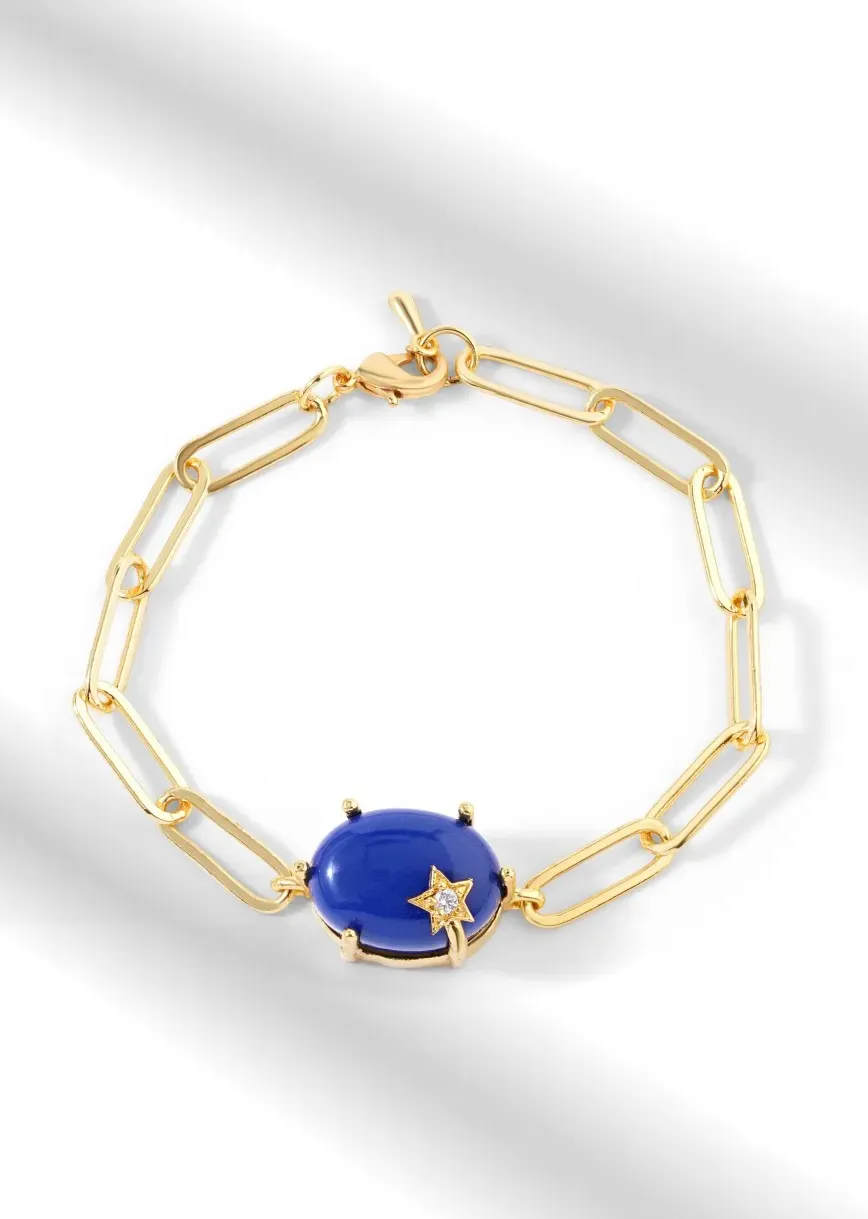
Jewelry: Rings, necklaces, and bracelets for daily energy support.
-
Meditation: Hold or place on the Third Eye chakra to deepen practice.
-
Work & Study: Keep on a desk to enhance focus and reduce stress.
-
Home Protection: Place near the entrance to deflect negativity.
How to Identify Authentic Lapis Lazuli
-
Color Test: Genuine lapis is deep blue, often with subtle pyrite flecks. Too bright or evenly dyed = fake.
-
Scratch Test: Hardness of 5–5.5 (shouldn’t scratch easily with a fingernail).
-
Dye Check: Rub with acetone—dyed stones may release blue pigment.
-
Origin Awareness: Afghan lapis is best, but Chilean and Russian varieties are common too.
Care and Maintenance
-
Avoid Chemicals: Remove before bathing or cleaning.
-
Keep Away from Heat & Sunlight: Prevents fading and damage.
-
Gentle Cleaning: Use soft cloth and lukewarm water only.
-
Storage: Keep separate from harder stones to avoid scratches.
Buying Guide: How to Choose Lapis Lazuli
-
For Jewelry: Look for strong blue with light golden pyrite.
-
For Meditation: Choose palm stones or spheres with deep energy.
-
For Collectors: Premium Afghan specimens are the most valuable.
Frequently Asked Questions (FAQ)
1. Is lapis lazuli expensive?
Prices vary from $10 for small beads to thousands for premium Afghan stones.
2. Which chakra does lapis lazuli correspond to?
Primarily the Third Eye and Throat chakras.
3. Can lapis lazuli go in water?
Not recommended—its low hardness and porous nature make it sensitive to water.
4. What does lapis lazuli symbolize?
Wisdom, truth, spiritual awakening, and protection.
5. Is lapis lazuli the same as sapphire?
No. Lapis is a rock made of multiple minerals, while sapphire is a single-crystal corundum.
.webp?w=600&h=600)
.png?w=800&h=400)
Conclusion
From ancient civilizations to today’s crystal healing practices, lapis lazuli remains one of the most admired gemstones in history. Its deep celestial blue, golden pyrite sparkles, and profound symbolism make it both visually stunning and spiritually powerful.
Whether you are seeking inner peace, creativity, improved communication, or spiritual awakening, lapis lazuli is more than just a stone—it is a timeless companion on your journey of growth and wisdom.
Comment