.png?w=1108&h=336)
Moon Signs: Why We Feel Hurt and How We Heal | Libra to Pisces
Sep 09,2026 | My Energem
Exploring Your Emotional World: Libra to Pisces
Feeling understood, trusting someone enough to be vulnerable, or having the freedom to follow your own path—emotional security can take many forms. In astrology, your Moon sign offers a way to reflect on what helps you feel safe, what leaves you feeling exposed, and how you respond when an important need goes unmet.
In Part 1, we explored the Moon signs from Aries to Virgo. Here, we continue with Libra, Scorpio, Sagittarius, Capricorn, Aquarius, and Pisces, looking at their emotional needs, relationship patterns, and ways of processing difficult feelings. From seeking balance in a relationship to learning how to stay open without becoming overwhelmed, each sign brings a different perspective to our inner lives.
As you read, notice which descriptions connect with your experience and which do not. Your Moon sign is one part of your birth chart, shaped in its expression by your history and circumstances. Let these interpretations invite reflection: What am I trying to protect when I feel hurt, and what would help me respond with greater care for myself and others?
Libra Moon
People with the Moon in Libra place great importance on relationships and long to live in an atmosphere that feels friendly, peaceful, and beautiful. They enjoy companionship and hope that the people around them can communicate gently, show consideration for one another, and maintain a sense of balance within the relationship.
They are usually warm and courteous, able to consider different perspectives, and willing to invest time in maintaining their connections. When disagreements arise, Libra Moons rarely judge the situation from their own viewpoint alone. They think about how both sides feel and hope to find a choice that will not leave either person hurt.
However, seeing so many different perspectives can make decisions difficult. They may compare every possibility repeatedly, worrying that choosing one side will mean disappointing or betraying the other. For someone naturally impatient, waiting for a Libra Moon to decide can be frustrating. Yet for the Libra Moon, the indecision itself is equally exhausting.
They are not without opinions. They are simply deeply aware that every decision has the potential to change the relationship between the people involved.
Why Does a Libra Moon Feel Hurt?
A Libra Moon’s deepest sense of security comes from relationships that feel stable, equal, and harmonious.
Arguments, emotional coldness, unfair treatment, or rude and aggressive communication can quickly make them feel unsettled. Others may regard a conflict as an ordinary difference of opinion, while a Libra Moon may experience it as a sign that a crack has already appeared in the relationship.
They are highly sensitive to the emotional atmosphere between people and are especially affected by the attitudes of close friends, family members, and romantic partners. Around acquaintances or strangers, Libra Moons can usually remain polite and composed. With those who truly matter, however, their emotions may shift noticeably in response to the other person’s behavior.
Being alone can also magnify their insecurity. When no one is available for conversation, companionship, or reassurance about the relationship, Libra Moons may repeatedly revisit earlier conversations, wondering whether they said something wrong or whether the other person is beginning to pull away.
What they truly fear is not simply solitude, but the loss of connection. Once they can no longer feel certain of their place within a relationship, they may become trapped in a cycle of hesitation, speculation, and constant weighing of possibilities.
Libra Moon in Intimate Relationships
Partnership usually occupies an important place in a Libra Moon’s life. They enjoy sharing afternoon tea, listening to music, decorating a room together, or exchanging thoughts on a comfortable evening. For them, love is not only an emotional commitment—it is also the art of creating a shared life.
Once in a relationship, they may easily place their partner’s needs before their own and willingly adjust their habits or change their plans for the other person. As long as they are not held back by prolonged indecision, Libra Moons are usually gentle, considerate, and cooperative partners.
However, excessive accommodation can create hidden problems. To avoid conflict, they may conceal their dissatisfaction and tell themselves, “This is fine too.” Over time, the relationship may still appear peaceful on the surface while unspoken disappointments continue accumulating underneath.
They may also hand decision-making over to their partner, hoping the other person will choose for them. In the short term, this can reduce anxiety. Over time, however, it may exhaust the partner and leave the Libra Moon increasingly uncertain about what they genuinely want.
What a Libra Moon needs is not someone who will make every decision for them, but a partner who is willing to discuss choices together while respecting their right to choose for themselves.
Beauty, Manners, and Order in Daily Life
Libra Moons place great importance on courtesy and the way something is expressed. They dislike rude language, uncontrolled arguments, and embarrassing public scenes. Even when they disagree with someone, they hope both people can maintain basic respect and appropriate boundaries.
For them, elegance is not merely an outward appearance; it is a way of restoring order to life. Music, art, comfortable furniture, soft lighting, and a carefully arranged room can all help stabilize their emotions. When they remain for too long in an environment that feels chaotic, noisy, or aesthetically unpleasant, they may become restless and unhappy.
They also tend to choose friends who are gentle, patient, and willing to support one another. Libra Moons observe what level of closeness feels appropriate with different people and are more likely to form deep relationships with those whose habits, values, and communication styles are compatible with their own.
This selectiveness does not necessarily mean that they reject differences. Rather, they need a harmonious social environment to protect their inner balance.
Early Family Experiences
A Libra Moon’s mother or primary caregiver may have placed great importance on politeness, appropriate behavior, and quality of life. They may have introduced the child to music, art, fine food, or other aesthetically meaningful experiences, while teaching them how to speak and behave in different social settings.
Such caregivers often dislike shouting or arguing in front of the child. Instead, they may rely on reason, good manners, and expectations about relationships to maintain order within the family. However, they may also care deeply about how the family is perceived by others and expect the child’s behavior to meet certain standards.
Growing up in this environment, Libra Moons may learn very early how to read the atmosphere around them. They know when to keep smiling and when to conceal emotions that seem inappropriate for the moment. This can give them excellent social skills, but it may also lead them to believe that they are worthy of acceptance only when they remain gentle, graceful, and easy to like.
How Does a Libra Moon Respond When Hurt?
After being hurt, Libra Moons usually do not react immediately. They may first try to understand the other person, search for reasons to explain their behavior, and repeatedly examine their own attitude. Because they want to preserve the relationship, they may set their genuine feelings aside and act as though nothing is wrong.
Yet suppressed emotions do not disappear. They may turn into prolonged indecision, a subtle sense of irritation, or repeated analysis of every detail in the relationship. The more a Libra Moon tries to find a perfectly fair solution that will hurt no one, the more likely they are to become trapped in a state where no decision feels possible.
If someone they trust is willing to talk with them without rushing them or deciding what they should think, Libra Moons can gradually regain their balance. Quiet companionship, sincere listening, or even a warm embrace can reassure them that the connection is still there and that they have not been left behind.
How Can a Libra Moon Release Emotions?
Libra Moons often process their feelings best through conversation, but they need to choose someone who can remain neutral and will not create further confusion. The purpose of talking is not to let another person decide for them, but to hear their own voice more clearly as they express what they feel.
They can also set time limits for decisions. Small choices do not need to be compared indefinitely; Libra Moons can narrow the options and make a decision within a specific period. Accepting that no choice can satisfy everyone is an important step toward building inner strength.
When emotions feel chaotic, tidying a room, listening to music, visiting an exhibition, making a cup of coffee, or creating a quiet and beautiful space can help them regain balance. However, a pleasant environment can soothe emotions—it cannot replace honest expression.
In relationships, Libra Moons need to practice saying clearly, “I like this,” “I do not want this,” and “This makes me uncomfortable.” A reasonable disagreement will not automatically destroy a relationship. What is more likely to erode love is the distance that develops after personal needs have been hidden for too long.
Libra Moons do not need to abandon their desire for harmony. True growth means understanding that harmony does not require the complete absence of conflict, and love does not ask one person to continually reshape themselves. When they can remain gentle within a relationship while also holding a clear position, their understanding nature will no longer become the burden of pleasing everyone. Instead, it will become an ability to create connections rooted in equality, grace, and genuine depth.

Scorpio Moon
People with the Moon in Scorpio possess emotions that are intense, profound, and rarely visible to the outside world. They seldom reveal everything they feel through their expression. Even when powerful waves are moving through them internally, they may remain completely composed on the surface, making it difficult for others to know what they are truly thinking.
This tendency to conceal does not mean that they are emotionally cold. Quite the opposite: Scorpio Moons are highly sensitive to the smallest details within a relationship. They notice changes in someone’s tone, gaze, and behavior, and can often sense what remains unspoken behind the words. Information that others overlook may be captured by them almost immediately.
However, this heightened sensitivity can also become a burden. A Scorpio Moon’s inner world may gradually accumulate insecurity, fear, suspicion, or guilt. When these feelings cannot be expressed, they may repeatedly question other people’s intentions and sink into an increasingly heavy emotional state.
Why Does a Scorpio Moon Feel Hurt?
A Scorpio Moon’s deepest sense of security comes from complete trust, loyalty, and honesty.
They are rarely satisfied with relationships that remain light or superficial. Once they decide to let someone come close, they invest deeply and hope to receive the same emotional depth in return. Because they give themselves so completely, secrecy, dishonesty, betrayal, or an ambiguous attitude can cause them profound pain.
Scorpio Moons tend to draw clear emotional boundaries. They remember who has proven worthy of trust and who has hurt them in the past. For them, a relationship rarely remains comfortably in an uncertain gray area: either someone is allowed to come genuinely close, or they are kept at a firm distance.
The more deeply a Scorpio Moon is hurt, the stronger the urge may become to regain control. Their anger may appear to be directed entirely at the other person, while underneath it may be saying, “You once made me completely defenseless, and I cannot allow myself to remain in a vulnerable position again.”
For this reason, what Scorpio Moons find most difficult to bear is not simply the loss of someone they love, but the discovery that the trust they offered was used against them. Feeling exposed, deceived, or unable to control the situation can cause them to shift rapidly from attachment into self-protection.
Scorpio Moon in Intimate Relationships
Scorpio Moons bring great passion and longing into their relationships. What they seek is not polite but emotionally distant companionship, but a connection that reaches the deepest parts of the self. Only with a partner they have truly chosen will they lower some of their defenses and reveal a tenderness and vulnerability that few others are allowed to see.
However, this depth can also be accompanied by possessiveness. Scorpio Moons do not like sharing the people or things they cherish, and they may repeatedly seek reassurance that their partner is loyal. A single action left unexplained may trigger suspicion, while an ordinary moment of distance can be interpreted as evidence that the relationship has already changed.
When they cannot express insecurity directly, Scorpio Moons may test their partner through sarcasm, coldness, or deliberate distance, watching to see whether the other person will move closer on their own. They hope this will confirm the relationship, but their partner may instead feel as though they are being given a test with no rules and no way of knowing the correct answer.
Their sharp insight allows them to recognize a partner’s most carefully hidden vulnerabilities. When emotionally mature, this ability can make them profound and healing companions. When insecure, however, they may know exactly where to strike during a conflict.
Scorpio Moons need to remember that understanding another person’s weaknesses should help protect the relationship—not provide a weapon to use when they feel hurt.
Early Family Experiences
A Scorpio Moon’s mother or primary caregiver may have had a strong need for control, frequently intervening in the child’s choices and expecting family life to follow their direction. When the child responded with open resistance, they may have faced even greater pressure or restriction.
Growing up in this environment, Scorpio Moons may learn very early to observe the dynamics of power. They do not necessarily become truly obedient. Instead, they discover that direct resistance does not change the situation, so they remain calm on the surface while concealing their genuine thoughts and emotions.
This protective strategy can develop their remarkable powers of observation, but it may also teach them that important feelings must never be revealed too easily. Once another person knows where they are vulnerable, that knowledge could become a means of controlling them.
As adults, Scorpio Moons may remain highly alert within relationships. They often observe and test another person before deciding whether trust is safe. Even when the other person has no harmful intention, earlier experiences may still cause them to search instinctively for hidden danger.
How Does a Scorpio Moon Respond When Hurt?
When a Scorpio Moon is emotionally triggered, they find it difficult to simply minimize the situation and move on. Their emotions tend to deepen over time as they replay every detail and try to determine the other person’s true intentions.
If the issue is relatively minor, they may express punishment through coldness, sarcasm, or emotional distance. What feels to them like a small act of retaliation may place far more emotional pressure on the other person than they realize.
If the wound involves betrayal, humiliation, or a loss of control, their anger may become extreme. They may feel a desire for revenge, hoping to make the other person experience the same pain—even reaching a point where they believe it does not matter if both people are harmed in the process.
Such thoughts indicate that the emotion has moved beyond what they can safely manage alone; they do not make harmful behavior acceptable. Revenge, self-harm, or harming another person cannot repair broken trust. These actions only create further trauma.
What Scorpio Moons truly need to face is the fear of betrayal beneath the anger, the grief of losing an important relationship, and the shame that may remain after allowing someone to see their vulnerability.
Scorpio Moons are often drawn to secrets, psychological motives, taboo subjects, and the experiences of loss and transformation. They are rarely satisfied with appearances. They want to understand the real reason behind a relationship, a behavior, or a deeply human choice.
This ability allows them to understand fears that others may be unwilling to confront and may help people move through psychological barriers. Scorpio Moons know that pain does not disappear simply because it is ignored, so they are often willing to accompany others into the darkest parts of their emotional world.
However, insight must always be accompanied by boundaries and ethics. Understanding another person’s psychology does not give anyone the right to manipulate them. Sensing danger also does not mean that every suspicion is a fact.
Scorpio Moons possess a powerful capacity for destruction and renewal. When an old relationship, identity, or way of life comes to a complete end, they may experience profound pain, but they also have the ability to rebuild themselves through the loss. Every genuine act of letting go can become a form of inner rebirth.
How Can a Scorpio Moon Release Emotions?
Telling themselves “not to think too much” is rarely helpful for a Scorpio Moon. They need to understand their emotions deeply, but going deep is not the same as repeatedly sinking into them. True release means finding the core of the pain and then refusing to let it continue controlling their actions.
When anger reaches its peak, they should avoid immediately contacting the other person, publicly revealing private information, or making an irreversible decision. Instead, they can step away from the conflict, give themselves a defined period to calm down, and write everything they want to say without sending it yet.
Scorpio Moons need an emotional outlet that feels safe enough to hold their depth. Speaking with someone they truly trust, seeking psychological counseling, writing down their feelings without censoring them, or expressing anger and desire through art are all more powerful than turning emotion into an attack on someone else.
Exercise, boxing training, swimming, or other safe physical activities can also release accumulated energy. Once the body has been given an outlet, it becomes easier to distinguish intuition from suspicion and facts from fear.
In relationships, rather than testing a partner’s loyalty, Scorpio Moons can state their boundaries clearly: “Secrecy damages my trust. I need honest communication.” Expressing a boundary directly may expose vulnerability, but it prevents both people from becoming trapped in continuous suspicion and struggles for control.
If urges to harm themselves or someone else become uncontrollable, they should immediately leave any environment in which harm could occur and seek help from a trusted person, a mental health professional, or local emergency support. Extreme emotions need to be taken seriously, not carried alone.
Scorpio Moons do not need to weaken their emotional intensity. True growth means transforming the impulse for revenge into boundaries, suspicion into verification, and the need to control others into mastery of their own choices.
When they no longer use destruction to prove that they have been hurt, their depth becomes an ability to move through darkness. They can see the most hidden parts of the human heart and, after every loss, rebuild themselves into someone more honest, resilient, and real.

Sagittarius Moon
People with the Moon in Sagittarius often carry a deep sense of confidence and naturally direct their attention toward horizons they have not yet reached. They enjoy imagining new possibilities, unfamiliar worlds, and different ways of living. Even after passing through a difficult period, they are likely to believe that another road still lies ahead—that sooner or later, they will leave the shadows of the past behind and begin again.
They are usually busy and cheerful, dislike stagnant atmospheres, and find it difficult to devote all their energy to repetitive or trivial matters. Travel, adventure, learning, and anything that creates a sense of space and discovery can help a Sagittarius Moon feel that life is moving forward once more.
Reason and truth are tools they often use to process emotion. When facing relationship problems, they try to find the cause, the meaning, and a broader perspective, reminding themselves that the present difficulty is only one part of life. This optimism gives them remarkable resilience, but it may also cause them to move past their genuine feelings too quickly.
Why Does a Sagittarius Moon Feel Hurt?
A Sagittarius Moon’s deepest sense of security comes from freedom, hope, and the possibility of continued growth.
When they can explore the world on their own terms and believe that life still contains new directions, they usually feel powerful within themselves. By contrast, excessive interference, being trapped in an unchanging environment, or facing a problem with no visible way out can leave them feeling deeply restricted.
What they truly fear is not simply limitation, but the despairing thought that “life will always be this way.” A future with nothing to anticipate, no meaning to pursue, or days that repeat endlessly can quickly drain a Sagittarius Moon’s vitality.
They also dislike being forced to remain immersed in heavy emotions. If someone continually asks them to explain how they feel, repeatedly revisits the same problem, or places all of their emotional needs upon them, a Sagittarius Moon may begin to feel intensely suffocated.
For them, love should open the door to a larger world—not confine two people within an increasingly narrow relationship.
Sagittarius Moon in Intimate Relationships
Sagittarius Moons are usually open and enthusiastic in intimate relationships. They enjoy traveling with a partner, exploring unfamiliar places, and attempting challenging activities together. They want two people to move forward side by side, rather than bind each other in place.
Even when their feelings are intense, they still need personal space. At times, they want to experience the world together with their partner. At other times, they need to act independently and live according to their own rhythm.
This independence does not necessarily mean their love is fading. From a Sagittarius Moon’s perspective, allowing each person room for a life of their own is a form of respect for one another’s individuality and freedom. They hope their partner will maintain personal interests, friendships, and a life beyond the relationship, rather than becoming deeply anxious whenever they are out of sight.
For this reason, excessive dependence, constant questioning, or attempts to control their movements can quickly damage a Sagittarius Moon’s sense of intimacy. The more restricted they feel, the more strongly they want to create distance.
However, freedom cannot become an excuse to avoid commitment. Sagittarius Moons need to explain clearly what kind of space they require and accept their share of responsibility within the relationship. Disappearing without warning, refusing to communicate, or reducing every problem to “You are too dependent on me” is not genuine emotional independence.
Early Family Experiences
A Sagittarius Moon’s mother or primary caregiver may have been lively, optimistic, and interested in many different things. They may have enjoyed traveling, painting, music, or other activities that expanded their experience of life, while also knowing how to find joy in ordinary days.
Growing up in this environment, Sagittarius Moons may develop a cheerful and positive outlook from an early age, along with the belief that the world contains countless things worth exploring. Their desire for knowledge, natural curiosity, and commitment to personal growth may also be strongly influenced by the caregiver.
However, such caregivers may sometimes become overly involved in the child’s choices under the belief that it is “for their own good.” Once Sagittarius Moons feel that their lives are being interfered with, they may deliberately reduce communication or create distance in order to reclaim their autonomy.
What they need is not to sever their connection with family completely, but to ensure that care does not become another form of control. Only when they are given enough space to breathe freely are they more willing to return to the relationship by choice.
How Does a Sagittarius Moon Respond When Hurt?
Sagittarius Moons dislike seeing themselves trapped in negative emotions. After being hurt, they may quickly change the subject, pursue a new goal, or move into a different environment, using action to avoid the discomfort in front of them.
They may appear to recover very quickly and can sometimes joke about something that has only just happened. Yet this does not necessarily mean that the emotion has been processed. They may simply have run, for the moment, to a place their feelings have not yet reached.
If a problem can genuinely be resolved through travel, learning, or reorganizing their life, this change of direction may help them find a way forward. However, when they face an unavoidable loss, the end of a relationship, or prolonged stress, Sagittarius Moons may suddenly discover that optimism cannot replace grief and that distance does not automatically solve a problem.
They also tend to explain emotions through beliefs and reasoning, telling themselves, “Everything will pass,” or “This is simply part of growing.” These beliefs can provide hope, but they may also cause Sagittarius Moons to overlook the anger, hurt, and fear that genuinely exist in the present.
Sagittarius Moons do not usually remain angry for long, but they still possess the direct and intense qualities of a fire sign. When furious with someone close to them, they may speak harshly or act aggressively. No action that harms themselves or another person can be justified by personality or astrology. If their emotions move beyond control, they should stop the argument immediately and leave the scene of the conflict.
Sagittarius Moons possess abundant curiosity, enjoy gathering information, and often read widely or continually study something new. Their interests may extend far beyond everyday news into education, philosophy, religion, culture, and questions about the meaning of life.
When exploring spiritual or religious subjects, they are rarely satisfied with fixed forms alone. They want to understand the world from a broader and more abstract perspective. As they grow, they may become increasingly concerned with personal conscience, systems of belief, and the kind of person they truly wish to become.
Their motivation to keep learning often comes from a deep desire for personal growth. They believe knowledge can lead people beyond narrow circumstances, and they hope that understanding the wider world will help them discover meaning within their emotional struggles.
However, growth does not mean always moving upward or remaining positive at all times. Genuine inner growth also includes admitting vulnerability and disappointment—and allowing some questions to remain unanswered for a while.
How Can a Sagittarius Moon Release Emotions?
Sagittarius Moons need space and movement. Walking, running, hiking, traveling, or spending time in nature can help release emotions that have become stagnant. Once the body experiences a sense of openness again, the mind can more easily recover its direction.
Before changing their environment, however, they can ask themselves: Am I seeking a new perspective, or am I simply trying to avoid the problem in front of me?
Reading, writing, learning, and philosophical reflection can all help Sagittarius Moons process emotion. Yet before searching for meaning, they need to allow the feeling itself to exist. Sadness does not always offer an immediate revelation; some emotions simply need to be experienced quietly.
If anger has created an urge to act aggressively, they should first ensure everyone’s safety, move away from any objects that could cause harm, and seek support from someone they trust or a qualified professional. Genuine freedom is built upon responsibility—not the freedom to let emotions harm another person.
Sagittarius Moons do not need to abandon their optimism or their longing for distant horizons. True growth means understanding that moving forward is not the same as running away, and finding meaning is not the same as denying pain. When they are willing to remain with their emotions a little longer before setting out again, their confidence becomes more than a way to avoid the darkness. It becomes the strength that carries them through it and toward a wider world.

Capricorn Moon
People with the Moon in Capricorn are usually steady, cautious, and highly responsible. They tend to approach problems from a practical perspective, evaluating risks, available resources, and possible consequences before making a decision. They are rarely carried away by a passing emotion.
They are also highly perceptive of social rules and the power dynamics between people, often recognizing how an environment truly operates beneath its surface. Rather than trusting romantic ideals, Capricorn Moons place greater faith in experience, structure, and plans that can be carried out in reality.
However, this practicality can sometimes lead them to judge the world in opposites: success or failure, strength or weakness, usefulness or uselessness. Clear standards reduce uncertainty, but they can also cause Capricorn Moons to overlook the many gray areas of life that cannot be classified so neatly.
Capricorn Moons often appear mature beyond their years and remarkably dependable. They seem to understand the rules of the real world from an early age and know that meaningful results require time, discipline, and sustained effort.
This maturity may develop from a sensitive awareness of their family or social circumstances. They may encounter the pressures of life earlier than others, or grow up needing to consider family responsibilities, financial conditions, or adult expectations. While other children are still free to depend on the people around them, Capricorn Moons may already be reminding themselves to behave responsibly, remain restrained, and avoid becoming an additional burden on the family.
Over time, they may learn to hide sensitivity and shyness beneath a serious exterior. Others see calmness, competence, and someone who is not easily shaken. Beneath that surface, however, there may be a fear of failure, a fear of rejection, and a fear that their vulnerability will become a burden to someone else.
Capricorn Moons are not naturally cold. They simply learned very early that emotions cannot solve practical problems on their behalf.
Why Does a Capricorn Moon Feel Hurt?
A Capricorn Moon’s sense of security comes from responsibility, competence, and the ability to maintain control over their life.
When plans are progressing steadily, they can fulfill their duties, and their efforts produce tangible results, they feel emotionally stable. By contrast, losing direction in their work, being unable to carry family responsibilities, or discovering that no amount of effort can change the situation may create profound insecurity.
They are especially vulnerable to failure, loss of control, and having their abilities questioned. A careless remark may be interpreted as a rejection of their entire character, while one performance that falls short of expectations may cause them to question whether they are truly capable enough.
Capricorn Moons rarely reveal this hurt directly. They are more likely to tell themselves, “Do not think about this. Finish what needs to be done first.” Sadness is converted into work, anxiety becomes a plan, and vulnerability is hidden beneath silence and self-discipline.
What they truly fear is often not hard work, but the possibility that all their effort will ultimately mean nothing. They do not fear responsibility itself so much as losing their value and becoming someone others can no longer rely upon.
Capricorn Moon in Intimate Relationships
Capricorn Moons are usually shy when expressing affection. Even when they care deeply for someone, they may not know how to say sweet or romantic things naturally. Overly dramatic romance or deliberate attempts to please can feel awkward, insincere, or difficult for them to receive.
Capricorn is ruled by Saturn, the planet associated with restraint, responsibility, and time. When the softness represented by the Moon meets Saturn’s instinct for control, Capricorn Moons may suppress a feeling almost as soon as it begins to emerge.
For this reason, their love is rarely expressed through constant praise. It appears instead through keeping promises, accepting responsibility, and remaining committed over time. They remember practical needs, offer help when their partner faces difficulty, and seriously consider the future of the relationship.
However, difficulty with emotional expression may leave a partner feeling that they lack warmth or attentiveness. A Capricorn Moon may believe they have already done a great deal without realizing that their partner needs more than a solution—they may also need to hear a caring sentence or receive a simple embrace.
Capricorn Moons often keep many thoughts and vulnerabilities behind carefully closed doors. Opening those doors takes time and consistent trust. Only when they feel certain that the other person will not ridicule, exploit, or dismiss their vulnerability can they gradually lower their defenses.
This is not about waiting for a partner to “change” them. It is about allowing the relationship to demonstrate that even when they are not strong or perfect, they are still worthy of love.
Early Family Experiences
A Capricorn Moon’s mother or primary caregiver may have rarely spoiled the child and may have placed greater importance on discipline, responsibility, and practical competence. Even without using an extremely strict parenting style, they may have imposed enough expectations that the child learned to think and behave like an adult from an early age.
They may have emphasized lessons such as, “You must take responsibility for your own affairs,” “You cannot cry whenever something becomes difficult,” or “Finish what needs to be done first.” These teachings can cultivate independence and perseverance in Capricorn Moons, but they may also cause them to believe that emotion is a form of weakness that must be overcome as quickly as possible.
If they received approval in childhood only when they were mature, accomplished, or willing to accept responsibility, adult Capricorn Moons may tie their self-worth closely to performance. They can allow other people to rest, yet struggle to give themselves the same permission. They understand vulnerability in others while continually demanding strength from themselves.
How Does a Capricorn Moon Respond When Hurt?
After being hurt, Capricorn Moons usually become even quieter. They may express less, invest their energy in work and responsibilities, and attempt to prove that they still have control over life by keeping everything in order.
They often appear highly emotionally stable, but this stability does not always mean the feeling has been processed. Sometimes, the emotion has simply been pushed into a deeper place. Suppression can help them manage an immediate crisis, but it is not a sustainable long-term way of relating to emotion.
When pressure continues to accumulate, Capricorn Moons may suddenly break down. Because they rarely reveal vulnerability, losing emotional control often means that the stress has already exceeded what they can bear.
If a Capricorn Moon is willing to cry in front of someone, admit exhaustion, or speak honestly about fear, it means they consider that person deeply important and worthy of trust. This is not weakness—it is the careful offering of a part of themselves they rarely allow anyone to see.
Capricorn Moons are usually realistic about how far they remain from a goal and can clearly recognize the obstacles that must be addressed along the way. Rather than relying on temporary enthusiasm, they are willing to divide an ambitious goal into a long-term plan and move forward one step at a time.
Their caution, patience, and organizational ability can help them accumulate tangible achievements in their careers. Even when progress is slow, they rarely give up easily. They can endure processes that others find tedious because they understand that lasting success requires time.
However, if they invest their entire emotional identity in professional performance, Capricorn Moons may become trapped in the belief that only success gives them value. When work goes badly, their confidence in themselves as a whole may begin to collapse with it.
A career can be evidence of their strength, but it should never become the only reason they allow themselves to exist.
How Can a Capricorn Moon Release Emotions?
The first step for Capricorn Moons is to stop treating every feeling like another task that must be completed. Some forms of sadness cannot be resolved by becoming more efficient, and some losses do not come with an immediate plan for repair.
They can begin with small, low-pressure expressions rather than forcing themselves to reveal everything at once. For example, they might tell someone they trust, “I have been under a great deal of pressure lately, but I do not know how to talk about it yet.” Simply allowing another person to know that they are struggling is already a form of emotional release.
Capricorn Moons often benefit from processing emotions through steady and consistent practices, such as walking, journaling at a regular time, reviewing their plans, or speaking periodically with someone they have trusted for years. Predictable routines can reduce the anxiety that comes with revealing vulnerability.
They also need to include rest as an official part of their plans. Rest is not a reward that can only be earned after every responsibility has been fulfilled; it is part of maintaining long-term strength. Allowing themselves to pause will not cause life to fall out of control.
In relationships, they can replace silence with a specific explanation: “It is not that I do not care. I am simply under too much pressure right now and do not know how to respond.” This can reduce a partner’s misunderstanding while helping Capricorn Moons maintain connection without abandoning their boundaries.
If prolonged emotional suppression has led to persistent low mood, insomnia, physical discomfort, or difficulty functioning in daily life, seeking support from a mental health professional is more responsible than continuing to endure everything alone.
Capricorn Moons do not need to abandon their strength or sense of responsibility. True growth means understanding that maturity does not require carrying everything alone, and stability does not mean having no emotions. When they allow themselves to receive care and recognize vulnerability as part of a complete human self, the strength once used to suppress emotion can become a reliable and resilient inner foundation—one capable of carrying them a very long way.
Aquarius Moon
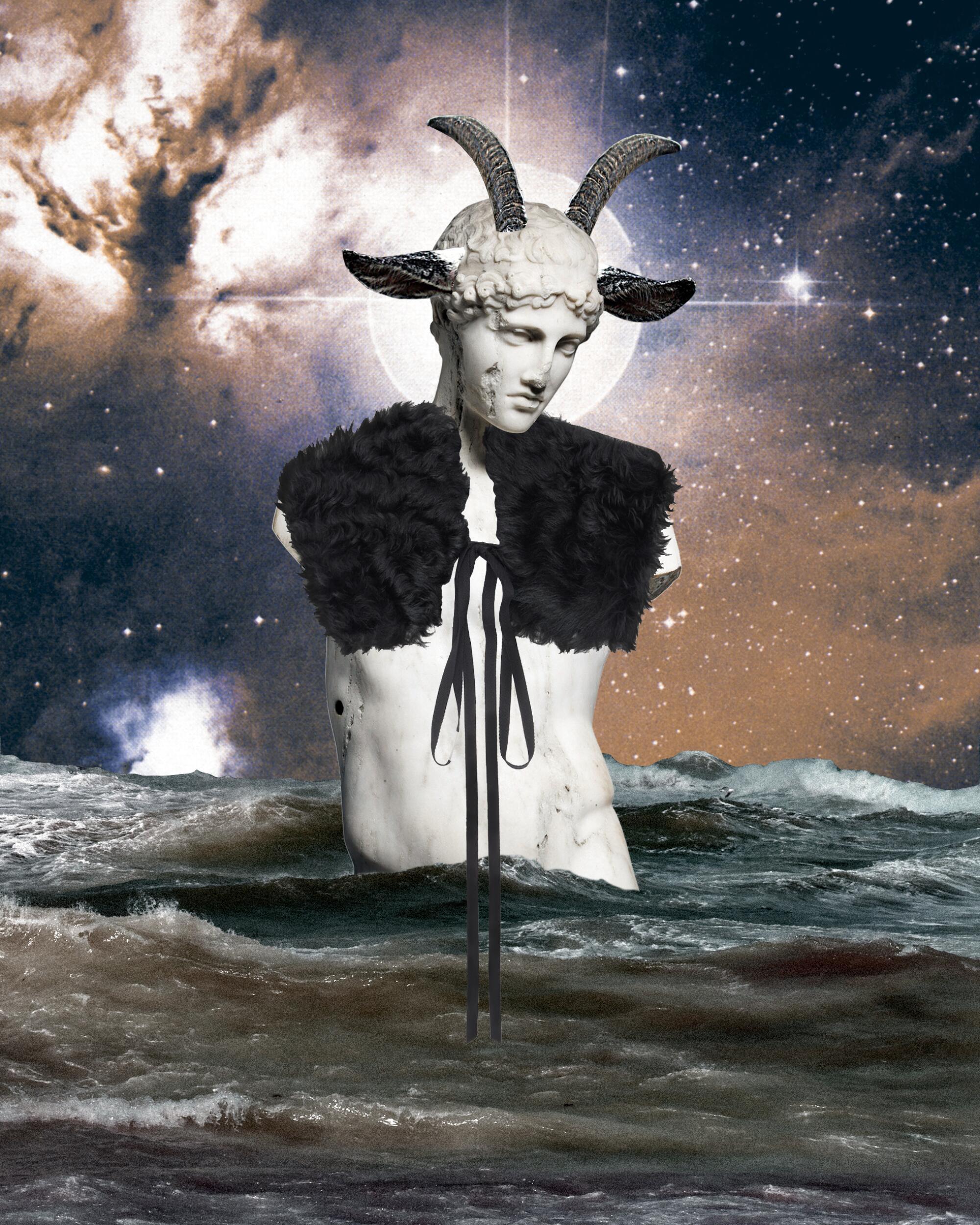
People with the Moon in Aquarius usually long for freedom, equality, and a life that is not confined by tradition. They are open to new ideas and are often drawn to unconventional relationships, different social groups, and unfamiliar ways of living. Even if they are initially reluctant to leave a familiar environment, they may eventually choose a path that aligns more closely with their personal values.
They hold strong ideals about the future and hope that people can move beyond differences in identity, social class, and background to relate to one another as equals. In their eyes, spiritual aspirations and practical life are not necessarily in conflict. An ideal life allows them to preserve their independence while working with like-minded people to create new possibilities.
Aquarius Moons are rarely swept away by emotion. They tend to step back and observe before processing a problem through thought, discussion, and analysis. Rather than remaining immersed in how they feel, they want to understand why something happened and determine what should be done next.
This calmness allows them to remain clear-minded in chaotic situations, but it may also gradually distance them from their genuine emotions.
Why Does an Aquarius Moon Feel Hurt?
An Aquarius Moon’s deepest sense of security comes from freedom, privacy, and the right to make independent choices.
They believe that every person should remain a complete and independent individual. People can care for, accompany, and support one another, but love should never become an excuse for excessive interference or a demand that someone give up their own life.
For this reason, being controlled, questioned constantly, forced to follow traditions they do not believe in, or expected to live according to someone else’s standards can cause an Aquarius Moon intense discomfort. What another person considers an act of closeness may feel to them like a violation of personal boundaries.
They may also feel hurt when their individuality is misunderstood. In a more traditional family, Aquarius Moons may be described as withdrawn, cold, or difficult to approach. In reality, they are not lacking in emotion; they simply do not want to express love according to a fixed formula.
When others accept them only when they are compliant, dependent, or emotionally demonstrative—but cannot respect the ways in which they are different—Aquarius Moons may begin considering whether it is time to leave.
When facing emotional problems, Aquarius Moons tend to rely on reason. They analyze causes, discuss logic, and try to find a solution from a more objective perspective.
They dislike highly intense emotional displays and may fear behaving irrationally if they lose control. As a result, many Aquarius Moons work hard to prevent emotion from showing, as though anger, tears, or vulnerability would damage the rational image they have built.
When confronted with someone who is emotionally overwhelmed, they often respond in one of two ways: they may leave out of impatience, or they may attempt to restore the other person’s calm by explaining logically why they do not need to feel so upset.
This approach can sometimes provide clarity, but it may also leave the other person feeling that their emotions have been dismissed. Some feelings do not need to be corrected immediately—they need to be seen first.
Aquarius Moons must also understand that being able to explain an emotion does not mean they have truly experienced it. Reason can organize feelings, but it cannot replace the feelings themselves.
Aquarius Moon in Intimate Relationships
Aquarius Moons are usually relaxed and easygoing in intimate relationships. They do not want love to become a heavy restriction. They prefer a partner who also feels like a friend—someone with whom they can exchange ideas, explore the world, and still preserve independent space.
Entering a relationship does not mean that they will abandon their friends, interests, or involvement in wider communities, and they generally do not expect their partner to do so either. To an Aquarius Moon, loving someone does not mean keeping them constantly close; it means respecting each other’s right to remain independent individuals.
However, this emphasis on equality may sometimes frustrate a partner. Aquarius Moons may treat friends and romantic partners in similar ways and rarely make a point of emphasizing the special status of the romantic relationship. To them, this is fairness. To their partner, it may feel like, “I am no different from anyone else in your life.”
They need to understand that equality does not require every relationship to be exactly the same. A partner may need a clearer commitment, more consistent responses, and reassurance that they hold a unique place within the relationship.
Aquarius Moons dislike depending on others and are equally uncomfortable when someone depends too heavily on them. If a partner places their entire emotional world and sense of purpose upon the relationship, Aquarius Moons may feel a powerful urge to escape.
The relationship best suited to them is one in which both people have a world of their own, yet willingly create a connection that is clear, dependable, and meaningful.
Aquarius Moons are usually friendly toward others and tend to view people of different genders, social classes, races, and backgrounds through an equal lens. They value intellectual connection and often find a sense of belonging within unconventional communities.
Yet even within a group, they insist on preserving their independence. They can participate, collaborate, and care deeply about the collective without surrendering their personal judgment simply to fit in.
This quality gives Aquarius Moons a distinctive social perspective and often makes them supporters of new ideas and alternative ways of living. They frequently imagine an ideal world that does not yet fully exist—one in which people can relate to each other with greater freedom, equality, and peace.
However, idealism can sometimes create distance from the relationships directly in front of them. Caring about humanity as a whole may feel easier than responding to the specific emotions of one person nearby. Grand values cannot replace everyday companionship and emotional responsiveness.
Early Family Experiences
An Aquarius Moon’s mother or primary caregiver may have related to the child more like a friend, respecting their choices and preferring to resolve problems through rational conversation.
Such caregivers often want the child to think independently and are unlikely to demand complete obedience. However, conflict may still arise when the child interprets concern as interference. Even when frustrated, the caregiver may continue trying to resolve the situation through discussion and reason.
Growing up in this environment, Aquarius Moons may learn to value privacy, autonomy, and communication between equals. However, if family members are emotionally restrained, they may also develop the belief that every problem should be handled alone and that they should never burden other people.
In adulthood, this independence can sometimes become excessive detachment. They may prefer to distance themselves from family rather than risk losing their freedom within the relationship. They may even believe that cutting every tie will cause the problem to disappear on its own.
Yet genuine boundaries do not require complete disconnection. A boundary allows someone to preserve their sense of self while still permitting the relationship to exist.
How Does an Aquarius Moon Respond When Hurt?
Aquarius Moons rarely react at the first moment an emotion appears. They usually analyze it, suppress it, or tell themselves that there is no reason to let the situation affect them.
Their outward calm can lead others to assume that they do not care, while the emotion continues accumulating internally. Once the pressure reaches its limit, they may suddenly make an unexpected decision: leaving the family, ending a relationship, quitting a job, or withdrawing into a life that resembles self-imposed exile.
This sudden detachment is usually not a momentary impulse. It often means that many unspoken frustrations have been accumulating for too long. Aquarius Moons may believe they have been handling everything rationally when, in reality, they have only postponed facing the emotion.
When deeply hurt, they may also become unusually cold and cut off a connection very quickly, as though everything that happened in the past no longer matters. This may temporarily restore their sense of freedom, but it can also leave wounds in themselves and others that are difficult to repair.
Astrology cannot justify cruel behavior. Even when a relationship needs to end, Aquarius Moons should communicate their decision as clearly as possible rather than using sudden disappearance as a form of punishment.
How Can an Aquarius Moon Release Emotions?
Aquarius Moons need time alone, but it is helpful to place clear boundaries around that solitude. They can tell the people around them, “I need some time to collect myself. Let us continue this conversation tomorrow.” This protects their freedom without leaving the other person with the anxiety of being suddenly abandoned.
They can begin by using their natural analytical ability to write down what happened, then add one easily overlooked step: describing what they feel emotionally and physically without immediately trying to explain why.
Talking with like-minded friends, participating in community activities, discovering new knowledge, or engaging in innovative creative work can help Aquarius Moons reconnect with hope. However, community relationships cannot completely replace personal intimacy. Important emotions still need to be addressed within the specific relationship in which they arose.
When someone around them becomes emotionally overwhelmed, Aquarius Moons can temporarily set advice aside and begin with, “I hear that you are deeply upset right now.” Once the other person feels understood, they can discuss possible solutions. This does not require Aquarius Moons to abandon reason; it allows reason to genuinely serve the relationship.
Regular exercise, walking, breathing practices, and reducing information intake can also help them move out of the mind and return to the body. Not every feeling needs a rational explanation before it earns the right to exist.
Aquarius Moons do not need to abandon their independence. True growth means understanding that freedom is not the same as disappearing, and calmness does not mean having no emotions. When they can preserve space within a relationship while taking responsibility for their feelings and choices, reason will no longer become a wall that prevents intimacy. Instead, it will become a strength that helps them understand differences, connect communities, and create new possibilities.

Pisces Moon
People with the Moon in Pisces possess an exceptionally delicate sensitivity. They easily notice the atmosphere of an environment and often sense emotions that other people have not expressed aloud. Many times, they do not understand something through a complete process of analysis. Instead, intuition, dreams, or a sudden thought may lead them directly to the heart of the matter.
Pisces carries the dreamlike qualities associated with Neptune, so the inner world of a Pisces Moon rarely contains only one clear answer. Reality, imagination, desire, and fear overlap, making every interpretation seem possible. When emotionally overwhelmed, they may find it difficult to determine whether what they sense is a fact, an intuition, or a projection from within themselves.
This ambiguity is both a gift and a challenge. It can inspire poetry, music, painting, and literature, but it may also leave Pisces Moons feeling lost when a practical judgment must be made.
Why Does a Pisces Moon Feel Hurt?
A Pisces Moon’s sense of security comes from gentle understanding, emotional resonance, and the feeling that “even when I cannot explain myself, someone is willing to feel with me.”
They are highly sensitive to indifference and rejection. When a problem arises, Pisces Moons may not ask for help immediately. Instead, they hope that someone close to them will notice how they feel without needing to be told. If no response comes, they may assume that no one cares and retreat into fantasy, memories, or silence.
What they truly fear is not only that the problem cannot be solved, but that when they are facing pain alone, no one will be willing to knock on the door.
In intimate relationships, Pisces Moons can also be deeply hurt by the gap between reality and expectation. They imagine how tender and beautiful a relationship could be and may project many unspoken wishes onto their partner. When reality cannot match that vision, the disappointment can become especially intense.
Pisces Moons are usually deeply understanding and willing to consider a situation from the other person’s perspective. Even after being hurt, they may continue searching for explanations, believing that the other person is struggling and did not intend to cause pain.
This capacity for acceptance gives them profound compassion, but it may also lead them to lower their boundaries repeatedly. It is not that they fail to see danger. They may simply be unwilling to believe that genuine malice exists—or to admit that someone they cherish cannot offer the same kindness in return.
Some Pisces Moons interpret endurance as devotion and mistake sacrifice for love. Even when a relationship is continually draining them, they may believe that if they become a little more understanding, the other person will eventually change.
When a relationship encounters difficulty, they may withdraw and wait for their partner to initiate the repair. If the other person also remains silent, the problem can continue expanding in their imagination. The more a Pisces Moon fears facing reality, the more easily they become trapped in sadness, suspicion, and helplessness.
True acceptance does not mean allowing the same harm to happen repeatedly. Understanding another person does not require remaining in a relationship where respect is absent.
Early Family Experiences
A Pisces Moon’s mother or primary caregiver may have expressed one of two very different patterns.
Some caregivers are exceptionally attentive and handle both large and small problems on the child’s behalf. The child feels loved within this protection, but may also become accustomed to waiting for someone else to provide help whenever difficulty arises.
Other caregivers may begin relying on the child emotionally from an early age, needing the child to understand their struggles and soothe their feelings. Pisces Moons raised in this environment may develop heightened sensitivity too soon and become accustomed to considering everyone else’s emotions before their own.
Both experiences can make them attentive and compassionate, but they may also blur the line between caring and dependence. As adults, Pisces Moons may wait for someone to rescue them within a relationship—or take on the opposite role and continually try to rescue everyone else.
How Does a Pisces Moon Respond When Hurt?
After being hurt, Pisces Moons may become caught in regret, guilt, and repeated reflection on the past. Old memories from childhood or family life may also return, making the emotions of the present even more complicated.
When pain becomes difficult to bear, they may search for something in which they can completely immerse themselves. Healthier outlets include painting, music, design, literature, poetry, spiritual exploration, or community service. More dangerous forms may include depending entirely on another person, excessive drinking, substance misuse, or retreating into fantasy for so long that they stop engaging with reality.
Once Pisces Moons commit to something, they rarely remain on the surface. They may give themselves completely to a creative project or devote all their energy to helping others. Offering support can give their lives a profound sense of meaning. However, when their own health, daily life, and personal boundaries are neglected, helping can become another form of depletion.
Older astrological traditions often associate Pisces directly with addiction, institutions, or states of confinement. However, a Moon sign does not determine whether someone will experience these realities. What matters more is whether, in times of pain, they habitually use numbness, dependence, or escape to temporarily leave themselves behind.
Pisces Moons can feel human suffering deeply and often know how to offer comfort with remarkable gentleness and sensitivity. Their connection to art and the spiritual world allows them to transform collective emotions that are difficult to express into images, melodies, and words.
At times, they may receive a sudden flash of insight, as though an answer has illuminated their entire inner world. Yet even inspiration needs to be tested against reality; otherwise, a moment of understanding may quickly dissolve back into fantasy.
Kindness is not weakness, and intuition is not the same as irrationality. What Pisces Moons truly need to develop is a relationship in which feeling and fact work together, rather than allowing either one to completely replace the other.
How Can a Pisces Moon Release Emotions?
Art is a natural emotional outlet for Pisces Moons. Writing, painting, photography, singing, playing an instrument, or recording their dreams can give vague feelings a concrete form. Once an emotion has been expressed, it no longer has to remain inside, rising and falling without release.
However, after becoming immersed in the inner world, they also need to return to reality. Following a creative session, meditation, or period of solitude, they can complete one simple and practical action—taking a shower, eating a meal, tidying the room, or finishing one task for the day. Small acts in the physical world can help them recover their boundaries.
In relationships, Pisces Moons need to practice expressing themselves directly instead of waiting for the other person to guess. If their needs are continually ignored or the other person repeatedly causes harm, they must also allow themselves to stop sacrificing.
They need to establish boundaries that are both gentle and clear: “I understand your pain, but I cannot carry all of your responsibility for you.” Saying no does not take away their compassion. Instead, it protects their kindness from being exhausted.
If they have begun relying on alcohol, drugs, or other addictive behaviors to manage emotion—or if persistent low mood has made it difficult to function in daily life—they should seek timely support from a medical or mental health professional. Asking for help is not the same as waiting for someone to rescue them. It is an active decision to return to reality and protect themselves.
Pisces Moons do not need to abandon dreams, intuition, or romance. True growth means establishing boundaries while remaining soft, and caring for themselves before giving all their understanding to someone else.
When they no longer mistake escape for healing or sacrifice for love, the sensitivity that once left them vulnerable to pain can become a source of creativity, empathy, and profound understanding of life.

Conclusion
No matter which zodiac sign the Moon occupies, no emotion is more correct than another, and no defense mechanism is destined to remain unchanged. Anger, sadness, suspicion, avoidance, and silence do not mean that we are immature. They are simply signals from within, telling us that an important need has not yet been seen. Understanding our Moon sign is not about finding excuses for our reactions or restricting ourselves with another label. It is about gradually recognizing why we feel hurt, what we are trying to protect, and what kind of care we truly need. A birth chart does not decide our fate; it is more like a map leading into our inner world. When we are willing to acknowledge our emotions without allowing them to control our actions, understand the past while making new choices in the present, the parts of us that once felt most vulnerable can gradually become sources of empathy, courage, healthy boundaries, and the capacity to love. True healing does not mean that we will never be hurt again. It means that each time we are hurt, we understand a little more clearly how to find our way back to ourselves.
Comment